Full-Time MBA

International Business

International business includes a broad range of microeconomic and macroeconomic topics critical to gaining an understanding of the global economic environment in which businesses operate and the role of governments and institutions as economic agents in that environment.

Chicago Booth's international business concentration prepares you to lead in the global environment. Our courses focus on such questions as: How are exchange rates determined? How can exchange-rate risk be managed? Why do some countries grow faster than others? What are the risks of conducting business in an emerging market? What are the determinants and impact of trade barriers such as tariffs and quotas? When does it make sense to establish a base of operations in a foreign country instead of producing domestically and exporting? The ability to answer these questions becomes increasingly important as you advance in your career in a global environment.


You'll have the chance to explore activities outside the classroom in numerous ways that will also allow you to build new skills, relationships, and networks. These include:

  • European Business Group - The European Business Group student group seeks to foster the European community within Chicago Booth and help students secure internships and full-time job opportunities in Europe.
  • Cultural Groups - Chicago Booth has numerous clubs that promote career-related activities and increase awareness of business issues in different parts of the globe. There are groups devoted to Latin America, Canada, Belgium, Asia-Pacific, Korea, and the Arab world.
  • Emerging Markets Group - Students in the Emerging Markets Group explore the important issues facing the world's developing countries. Throughout the school year, the group hosts a speaker series, job search discussions, and various social events, as well as the Chicago Microfinance conference.
  • Myron Scholes Global Markets Forum - The Myron Scholes Global Markets Forum brings business leaders, policy makers, and distinguished academics together to address the Chicago community on topics of current interest.
  • Latin America Business Conference - This student-organized conference encourages cutting-edge discussions about the Latin American region.

You’ll have the option of taking courses that address your individual career choices. Samples include:

  • Understanding Central Banks - This course brings together topics in macroeconomics, international economics, and finance to look at central banks, which are often dominant players in financial markets, and to provide a framework for understanding their actions. You will gain an overview of the key issues that confront all central banks. Then you will spend time seeing how the Federal Reserve, the Bank of Japan, and the European Central Bank resolve these issues. We contrast their approaches with those taken by central banks in other industrialized countries and in developing countries. We also study how central banks' actions interact with asset markets. There will be two guest speakers who are prominent members of the world's central banking community.
  • International Financial Policy - You will develop an understanding of issues in international macroeconomics that are important for managers operating in the global marketplace. The course covers theories of the determination of exchange rates and interest rates, the management of foreign exchange risk, international capital flows, debt and currency crises, international monetary and exchange rate regimes, the roles of the international financial institutions in developing countries, and other characteristics of international financial markets.
  • Finance and Entrepreneurship in Emerging Markets - Despite the unprecedented rise of emerging markets, the threat of financial and political crises continues to haunt global entrepreneurs. What guidelines does financial theory provide to entrepreneurs investing in emerging markets? How can one value and manage the risks and uncertainties that characterize emerging markets? The course begins by assessing how we should modify traditional financial tools to cope with the particular risks of emerging markets. We discuss pitfalls in some of the common industry prescriptions, and present a unified methodology for evaluating emerging market investments based on theoretical foundations. A central message of the first half of this course is that emerging market risks are often large enough to make most investments seem unviable. This leads us into the second half of the course that stresses the importance of enhancing investment value by managing these risks appropriately. The course uses a number of real-world examples from such places as China, South Asia, Africa, and Latin America.
  • Topics in the Global Economy - Why is the United States the wealthiest country in the world? How can we understand the emergence of China and India in the last two decades? What explains growth disasters of countries such as Venezuela and Sub-Saharan Africa? Why has Brazil not emerged as a growth miracle, despite its enormous potential? This course is designed to provide students with an analytical framework to answer these questions. We will develop models that explore the role of financial markets, labor market regulations, corruption, and trade policy in understanding a country's growth experience.

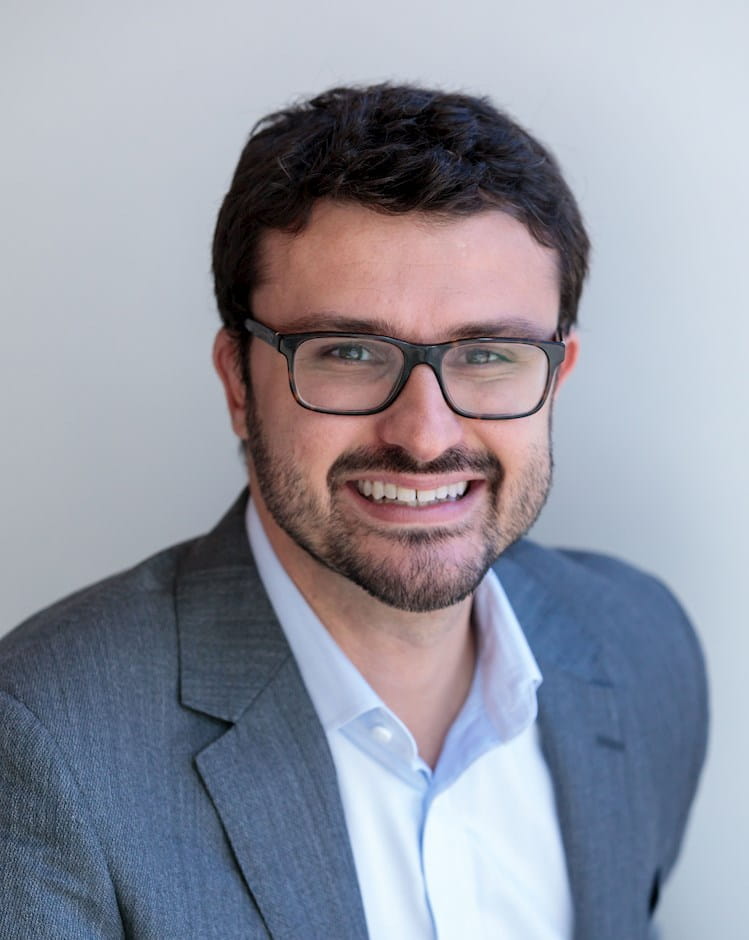
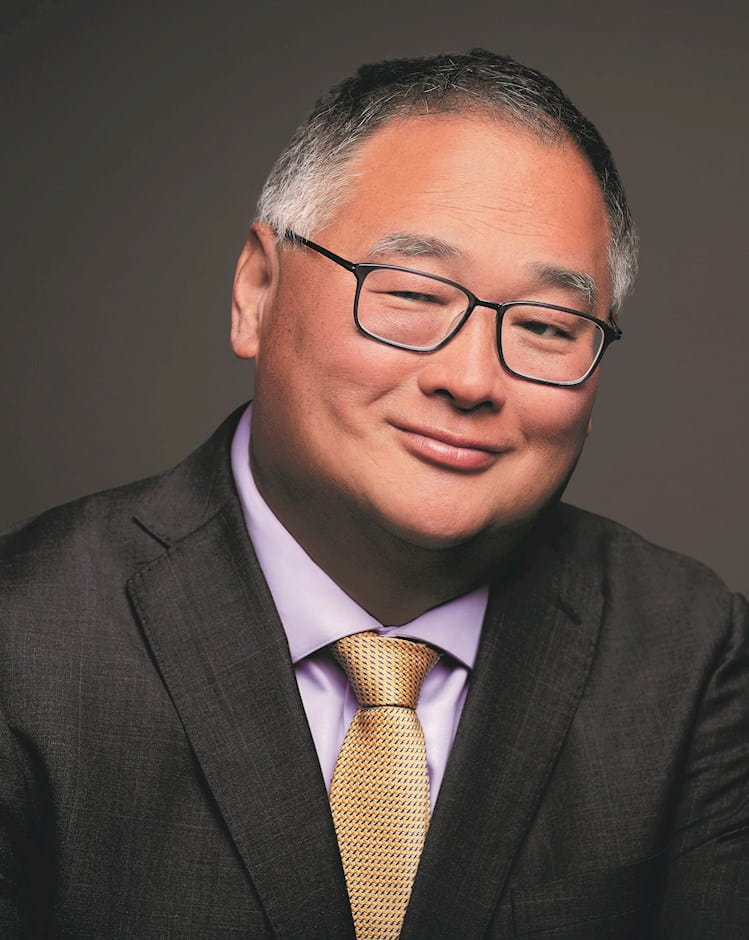
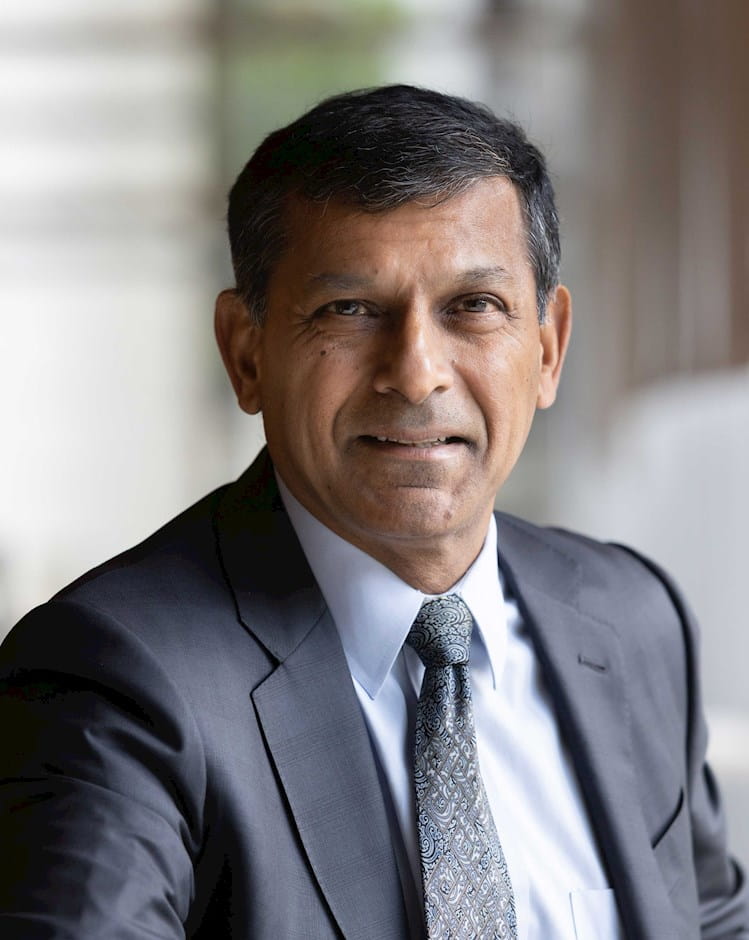
You’ll study with professors who conduct groundbreaking research, consult with governmental agencies and companies around the world, and share their experience with how financial policy impacts the domestic and global business environment.

  • Christian BrodaChristian Broda, studies issues related to international finance and trade, and the impact of exchange rates on asset prices and financial contracts.
  • Steven J. Davis, studies employment outcomes, business dynamics, product pricing and design, tax effects on work activity, and comparisons of national economic performance.
  • Chang-Tai HsiehChang-Tai Hsieh, conducts research on growth and development. He has been a visiting scholar at the Federal Reserve Banks of San Francisco, New York, and Minneapolis, as well as the World Bank's Development Economics Group, and the Economic Planning Agency in Japan.
  • John HuizingaJohn Huizinga, conducts empirical studies in macroeconomics and finance - both domestic and international - and also studies econometric theory. His research has appeared in numerous journals, including Econometrica, the Journal of Econometrics, and the Journal of Monetary Economics.
  • Erik HurstErik Hurst, studies macroeconomic policy, consumption, time use, entrepreneurship, and household financial behavior. His research on "Measuring Trends in Leisure", which appeared in the Quarterly Journal of Economics in 2007, was written up in the New York Times, the Washington Post, and the Economist.
  • Randall S. Kroszner, was a member of the Board of Governors of the Federal Reserve Board. From 2001 to 2003, he was a member of the President's Council of Economic Advisers. He also has served the federal government as a visiting scholar at the Board of Governors, a research consultant, and a member of the Academic Advisory Panel at the Federal Reserve Bank of Chicago, and a visiting scholar at several other Federal Reserve Banks. He specializes in conflicts of interest in financial services firms, international financial crises, corporate governance, debt restructuring and bankruptcy, and monetary economics.
  • John Romalis, studies international trade and foreign direct investment. A former senior research graduate for the Reserve Bank of Australia, Romalis also has been a resident scholar for the International Monetary Fund.
  • Francesco Trebbi, studies political economy, applied econometrics, and macroeconomics.

Select a Concentration