


Twenty current and incoming MBA students will lead AI engagement at Booth.
- September 29, 2026
- Center for Applied Artificial Intelligence
Leaders are formed and shaped by their surrounding community, and at Chicago Booth, student initiative and engagement are a pillar of the MBA experience. Fostering an active discourse around AI on campus, CAAI’s AI Fellows will play an integral role in equipping the next generation of business leaders to succeed in the AI era.
The inaugural cohort of fellows shaped CAAI programming, shared astute reflections, and asked bold questions in conversations characterized by uncertainty.
As the second cohort of CAAI Fellows settles in on campus, we eagerly await their contributions to a growing network at Booth paying close attention to AI and its applications to business, markets, and society.
The 2026-2027 cohort spans two classes: ten incoming first-year MBA students who bring varied experiences with AI through previous professional roles, and ten second-year students selected to be dedicated to shaping the fellowship from within the Booth community they already know.
Meet this year’s cohort of AI Fellows:
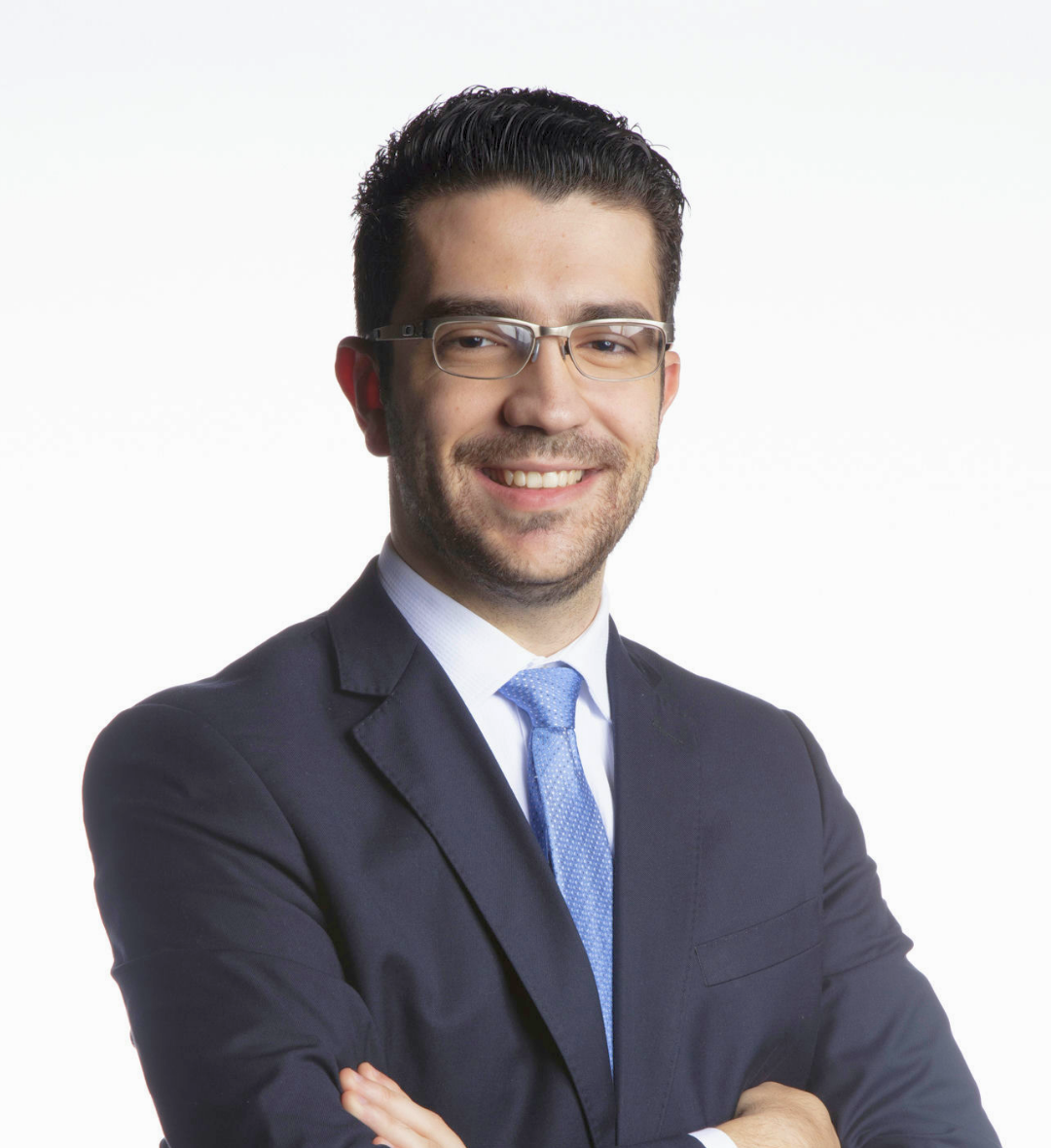 Douglas Amorim de Oliveira has spent time studying how AI operates under pressure, specifically in data streams where anomaly detection and concept drift demand systems adapt in real time. At Booth, he's turning that foundation toward financial data and entrepreneurship.
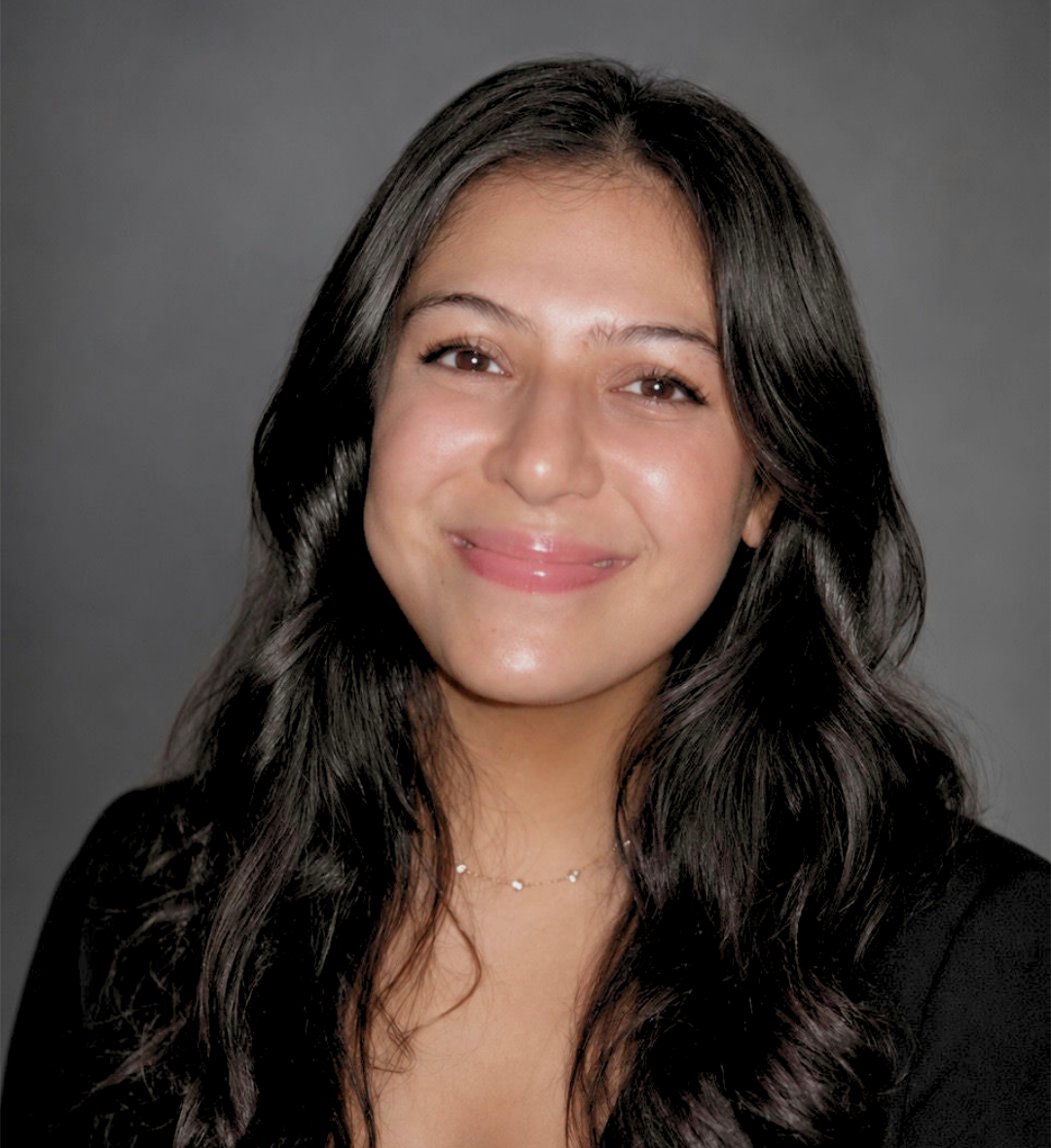 Ria Bhaskar comes to Booth with a clear destination: product management in wearable technology. She's focused on how machine learning can surface patterns and personalize experiences at scale.
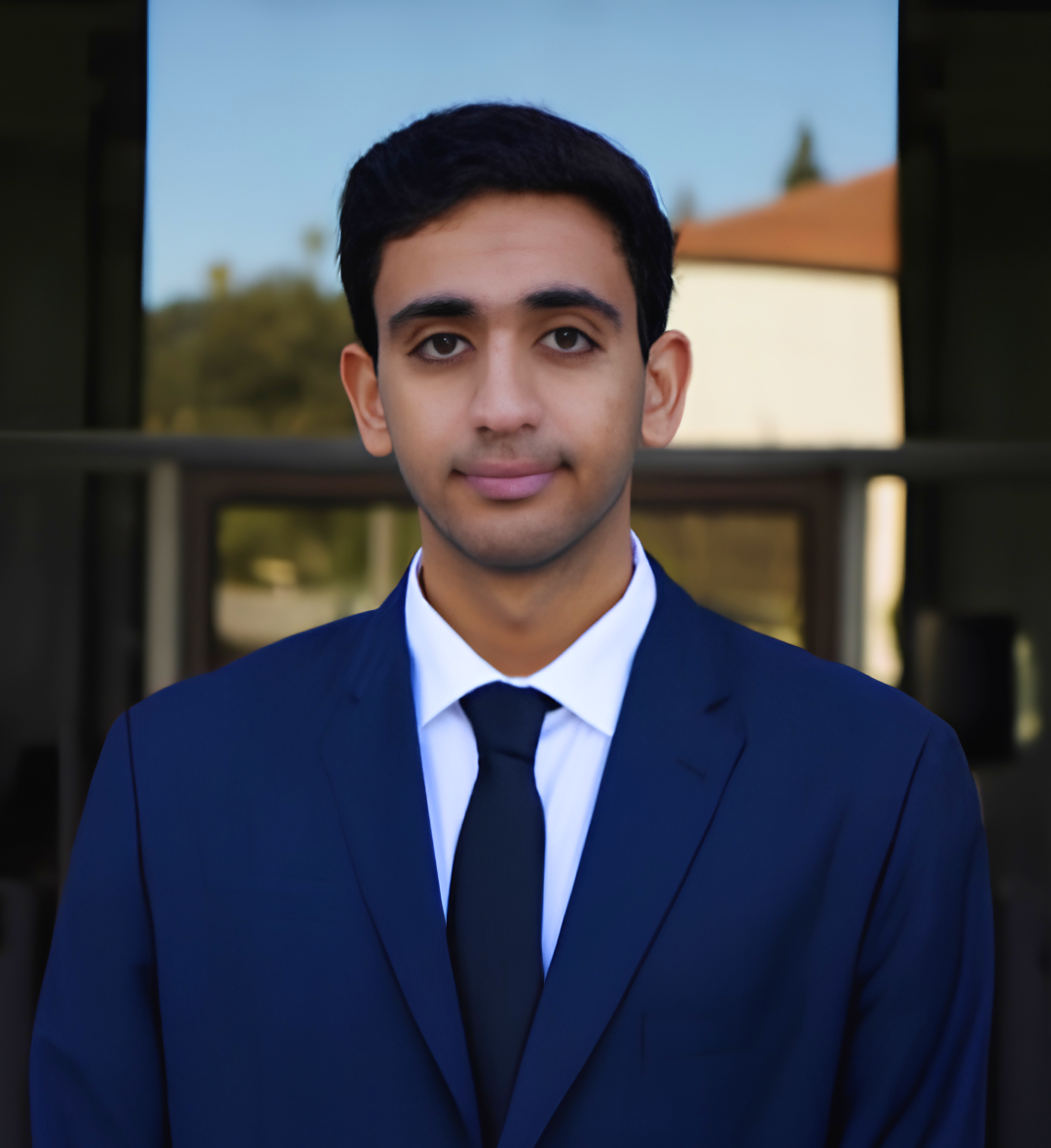 Hussein Farid is drawn to natural language processing because it touches almost everything. From finance to marketing and operations, the use cases are vast, and Hussein is particularly focused on how NLP methods can sharpen an edge in trading and markets.
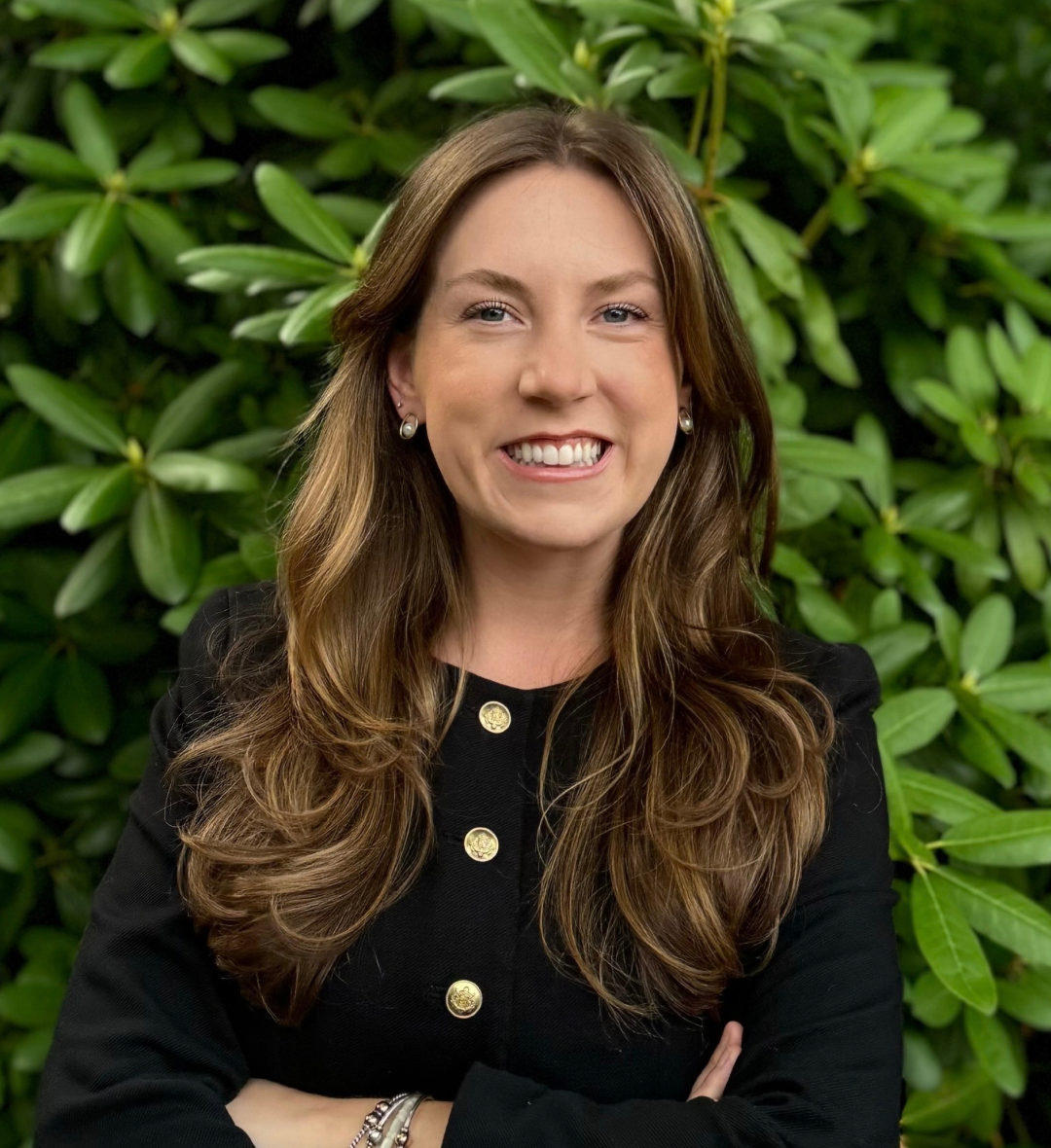 Hannah Fleming is interested in AI's operational impact on service assurance and process improvement, alongside its capacity for complex pattern recognition and data analysis. She sees the Fellowship as a space for the kind of multi-contextual thinking that getting AI right actually requires.
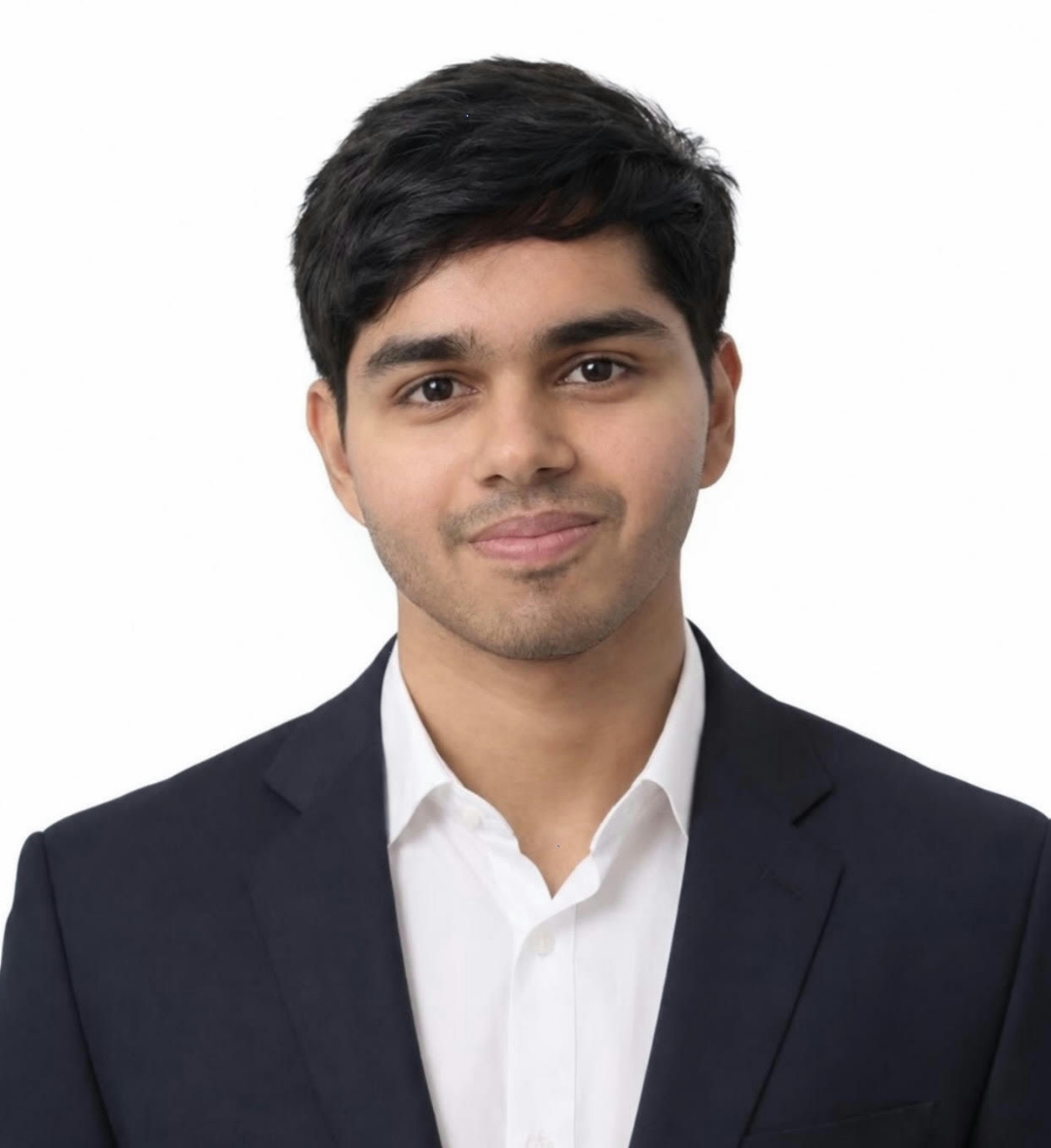 Mayur Joshi focuses on healthcare delivery in emerging countries, where fragmented systems and high stakes demand both technical understanding and the translation work required to make AI actually function at the point of care.
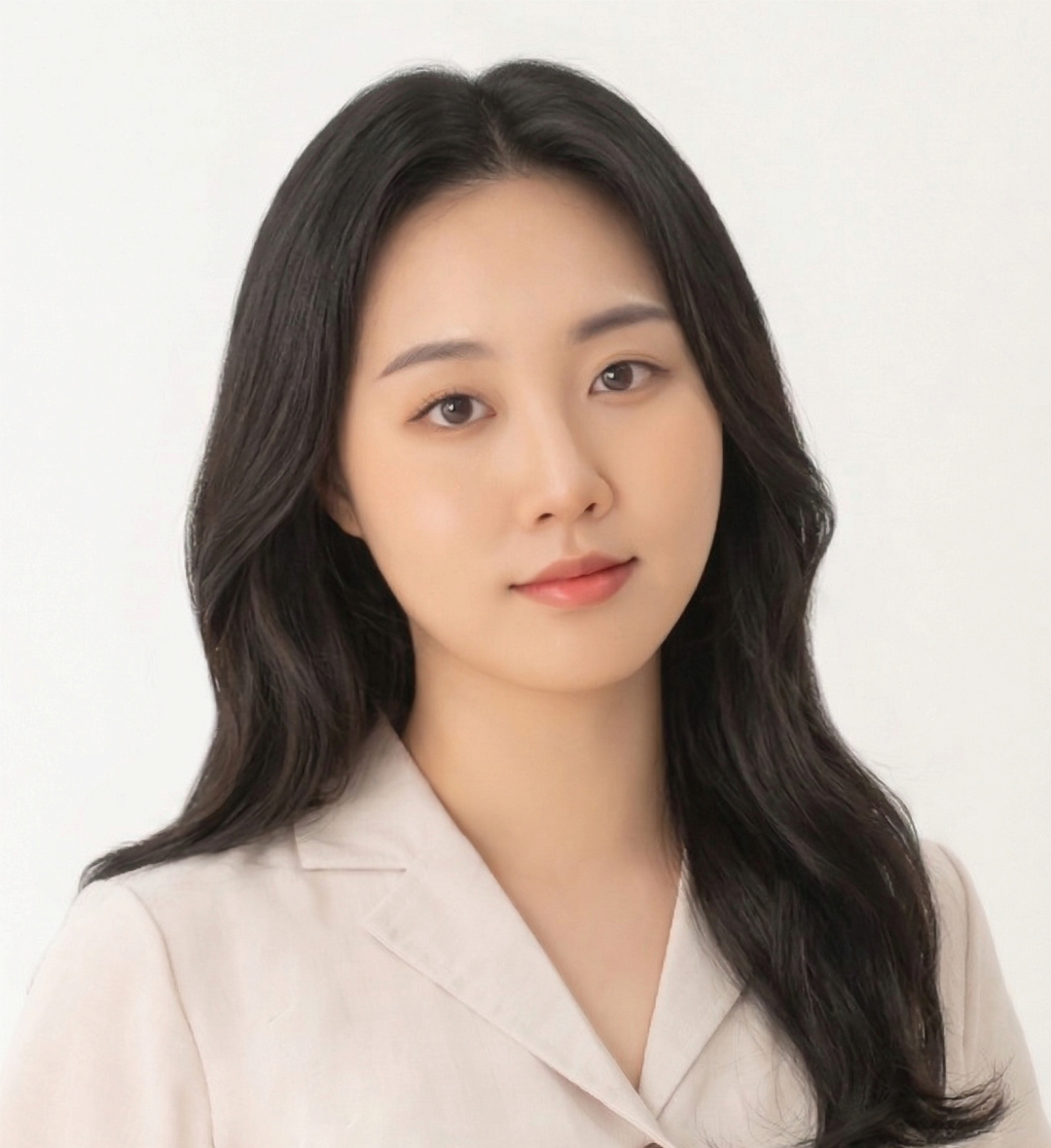 Bonnie Lee led an AI-driven personalization initiative at NAVER Webtoon that earned two Korean patents. At Booth she aims to approach the same challenge from the founder's or executive's seat, equipped to think through the strategic decisions that determine whether an AI business actually scales.
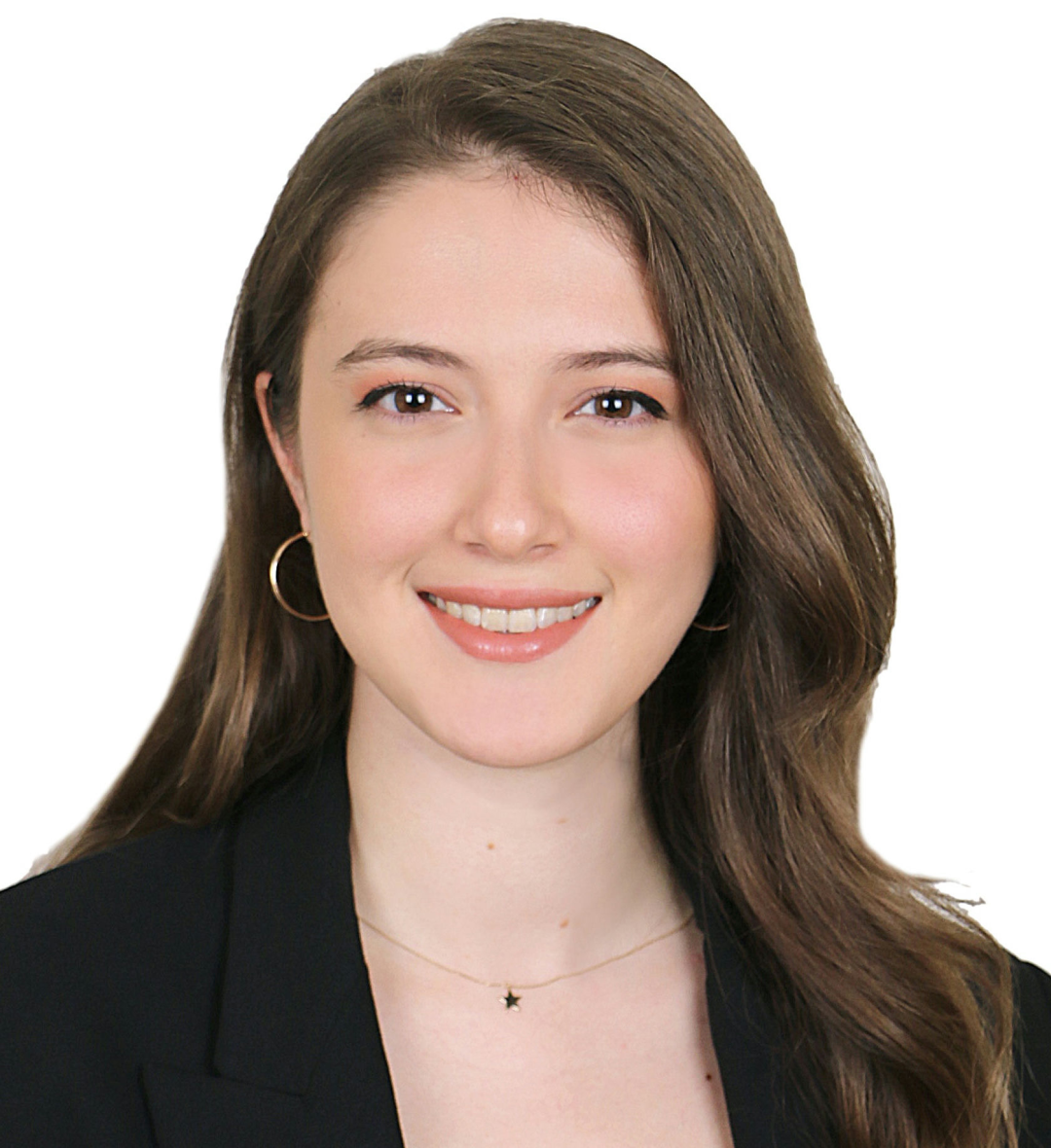 Merve Ozturk is focused on agentic AI in financial services and commerce—specifically how banks, payment companies, and retailers need to rethink their products as AI agents increasingly sit between company and customer, and what it takes to lead a team through that kind of change.
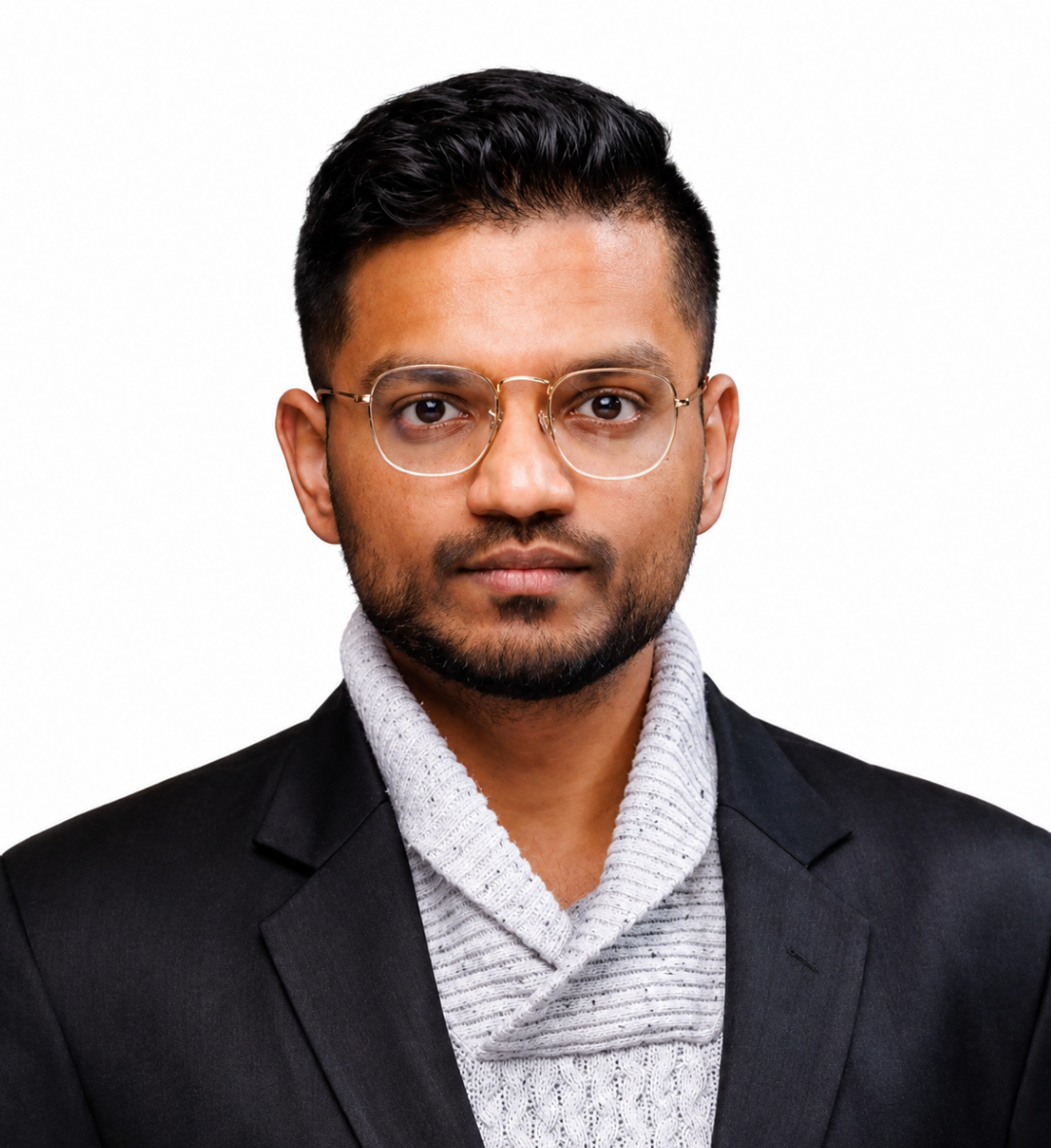 Shawn Paul arrives at Booth with four years at McKinsey shipping production GenAI into investment funds, insurers, and telecoms, and a clear thesis: the technology matters less than the use case, the traction, and the long-term defensibility.
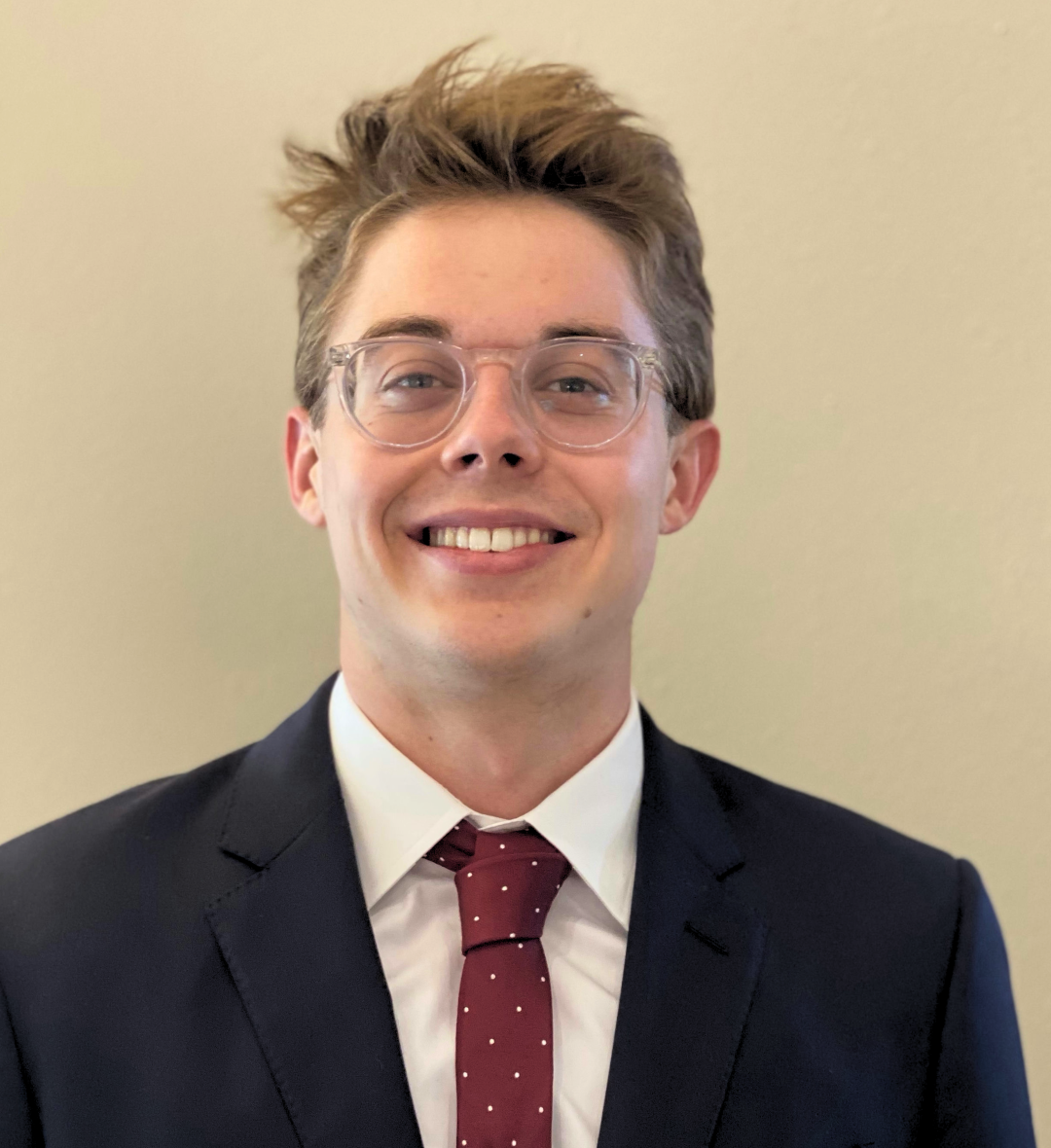 Jeremy Rockaway has an interest in open-source and open-weight LLMs that sits at the intersection of technical curiosity and real strategic consequence, shaped by a commitment to examining AI not just as a business tool, but as something that needs to be used effectively and ethically.
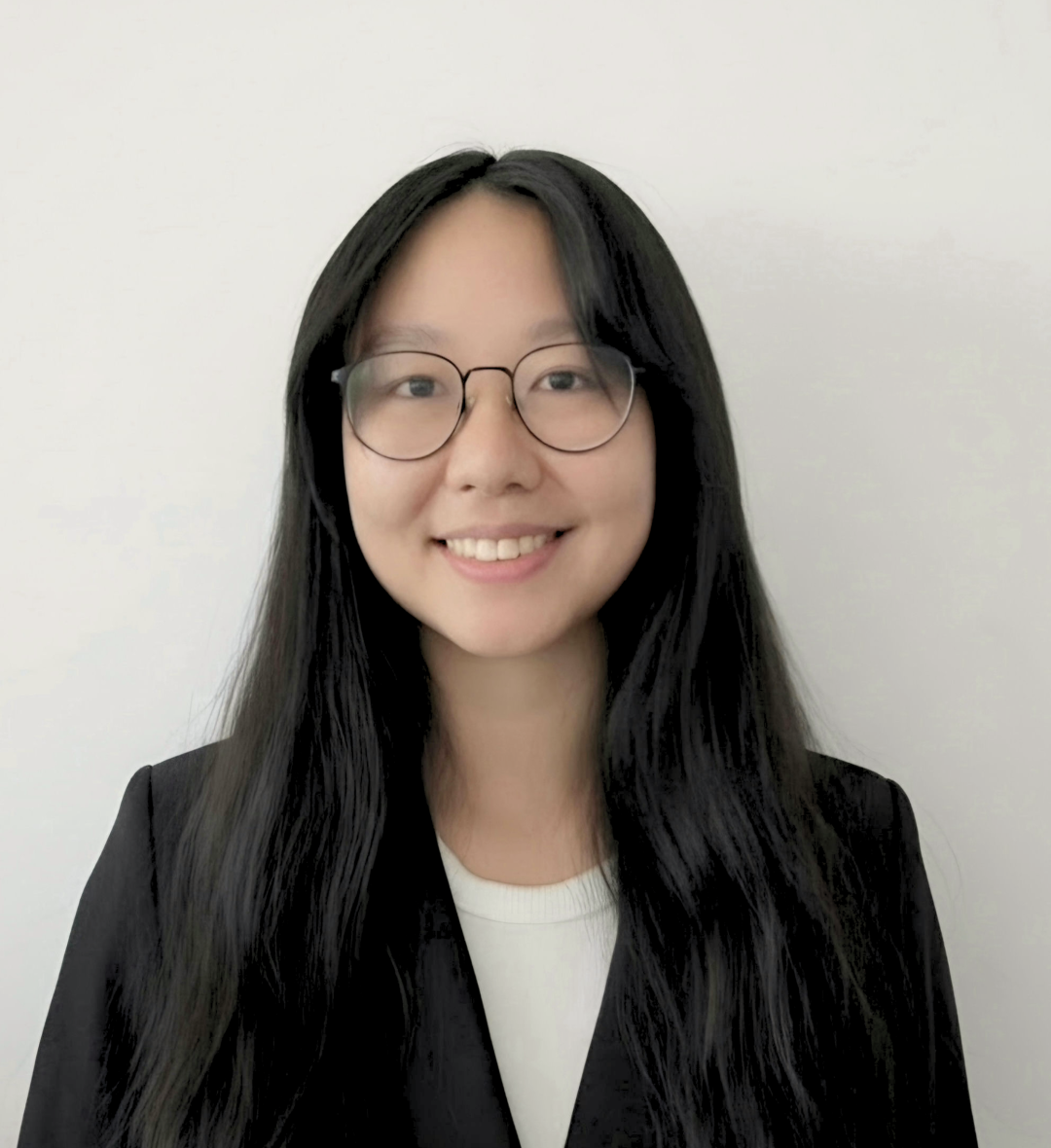 Alicia Wang watched a pattern repeat itself in consulting: companies figured out how to build AI foundations, ran pilots, and then hit a wall. The hard part, she found, isn't the technology, but the organizational behavior and systems change required to actually scale, which is the the problem she's at Booth to work towards a solution for.
This year's cohort also includes ten second-year MBA students, selected this cycle to continue building on their first year at Booth and deepen what the fellowship offers the community.
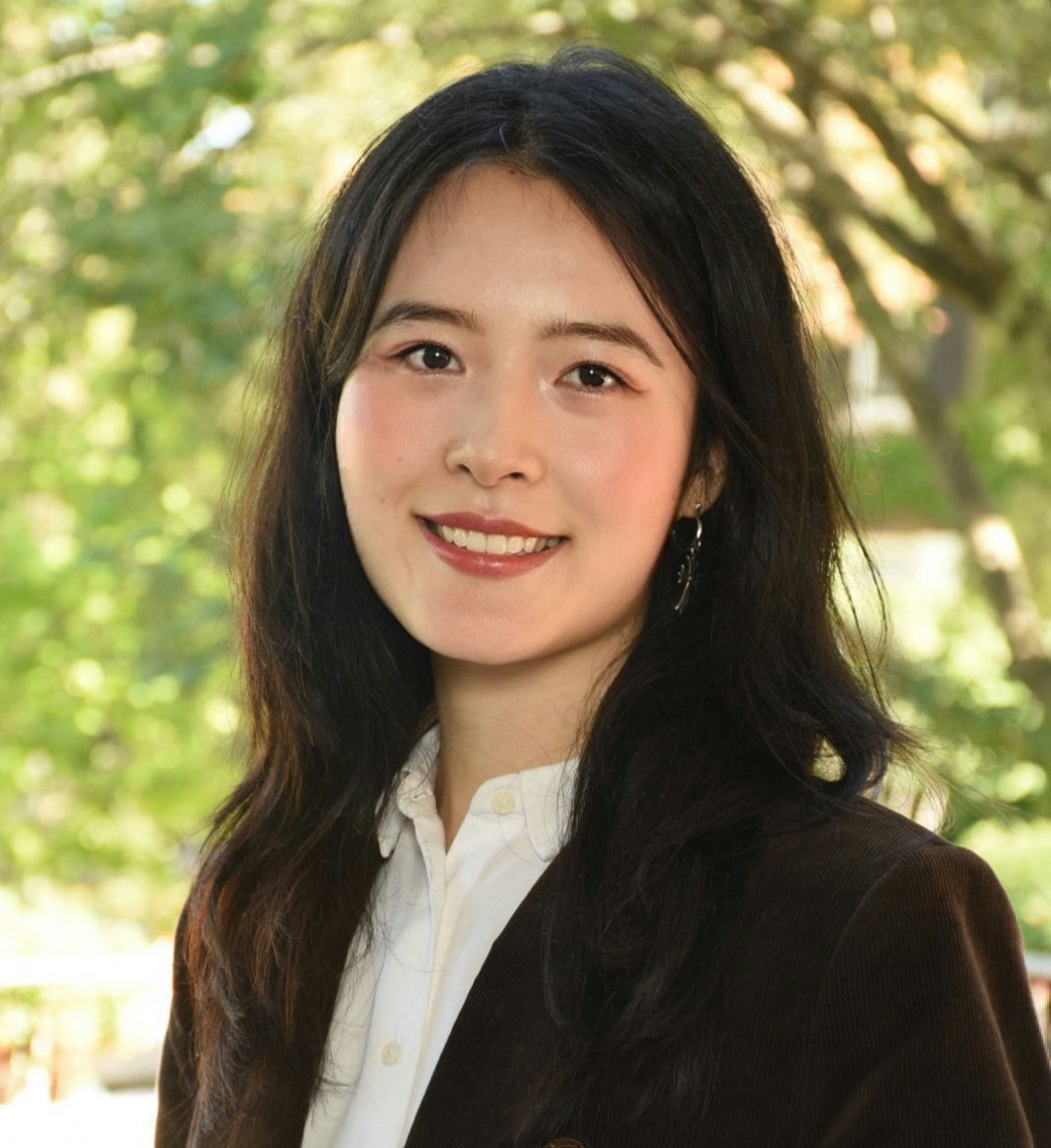 Chelsey Chen spent five years in investment banking before coming to Booth, where she applied AI to acquisition screening and explored AI-native social products. She’s focused on how emerging capabilities can be turned into products and workflows people actually use.
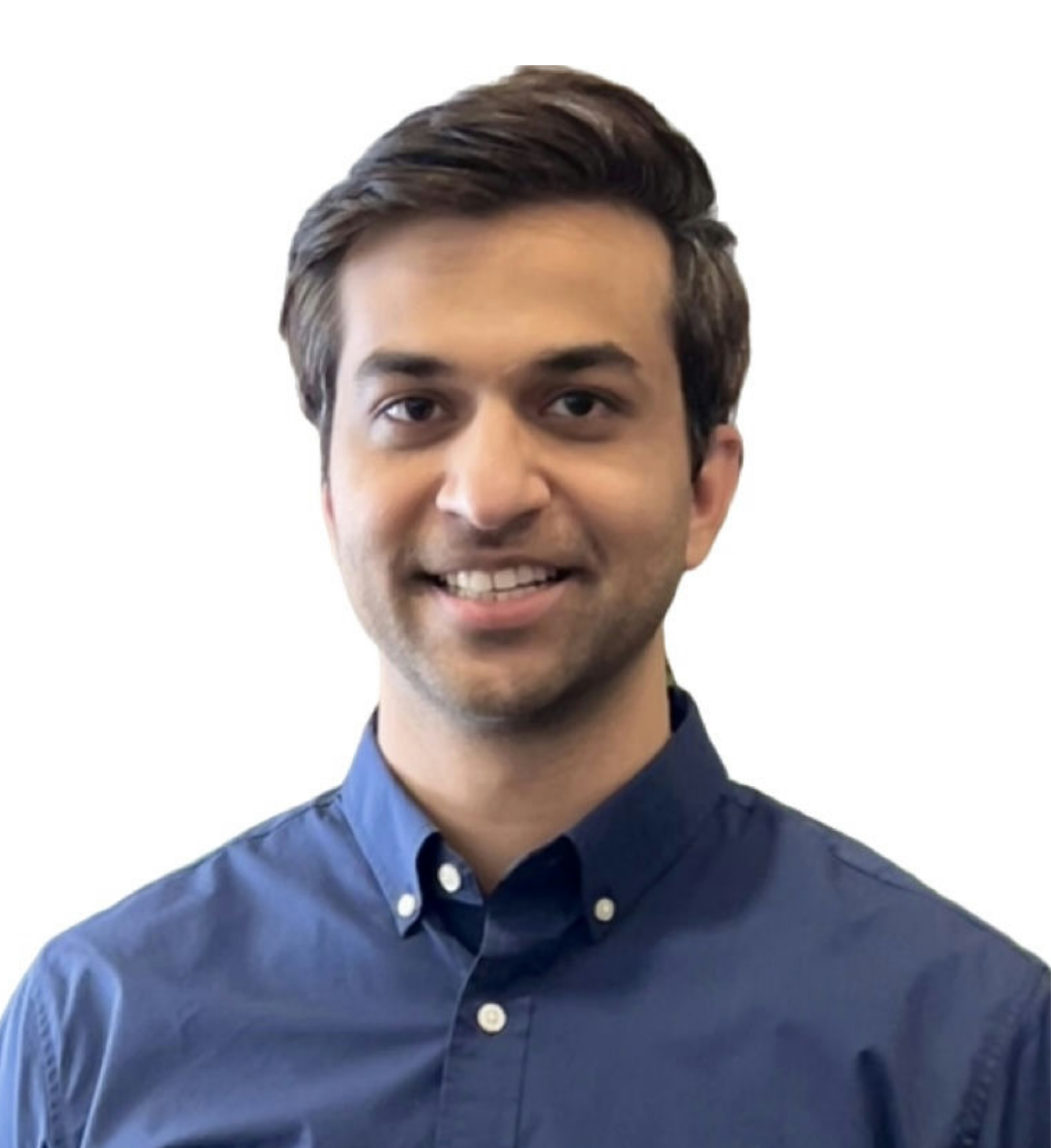 Eshank Singh spent nine years in operations before coming to Booth. His focus is on what it actually takes to move AI from promising pilot to practical result on the factory floor, in manufacturing and supply chains where the stakes of getting it wrong are concrete.
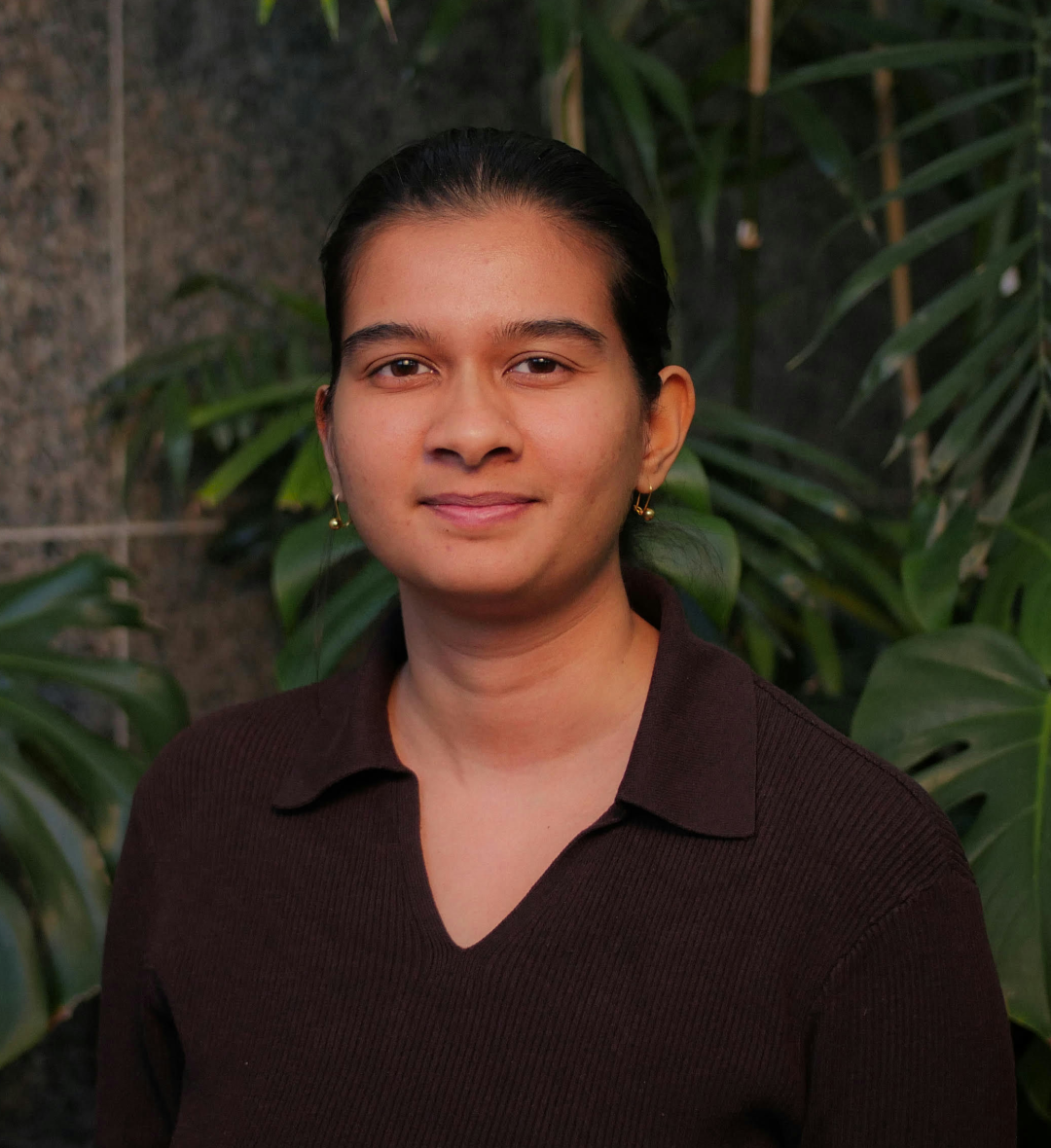 Aishwarya (Ash) Srivastava is focused on agentic AI, specifically the shift from single-turn generation to autonomous, multi-step execution in real workflows, and what that means for how products are built and managed going forward.
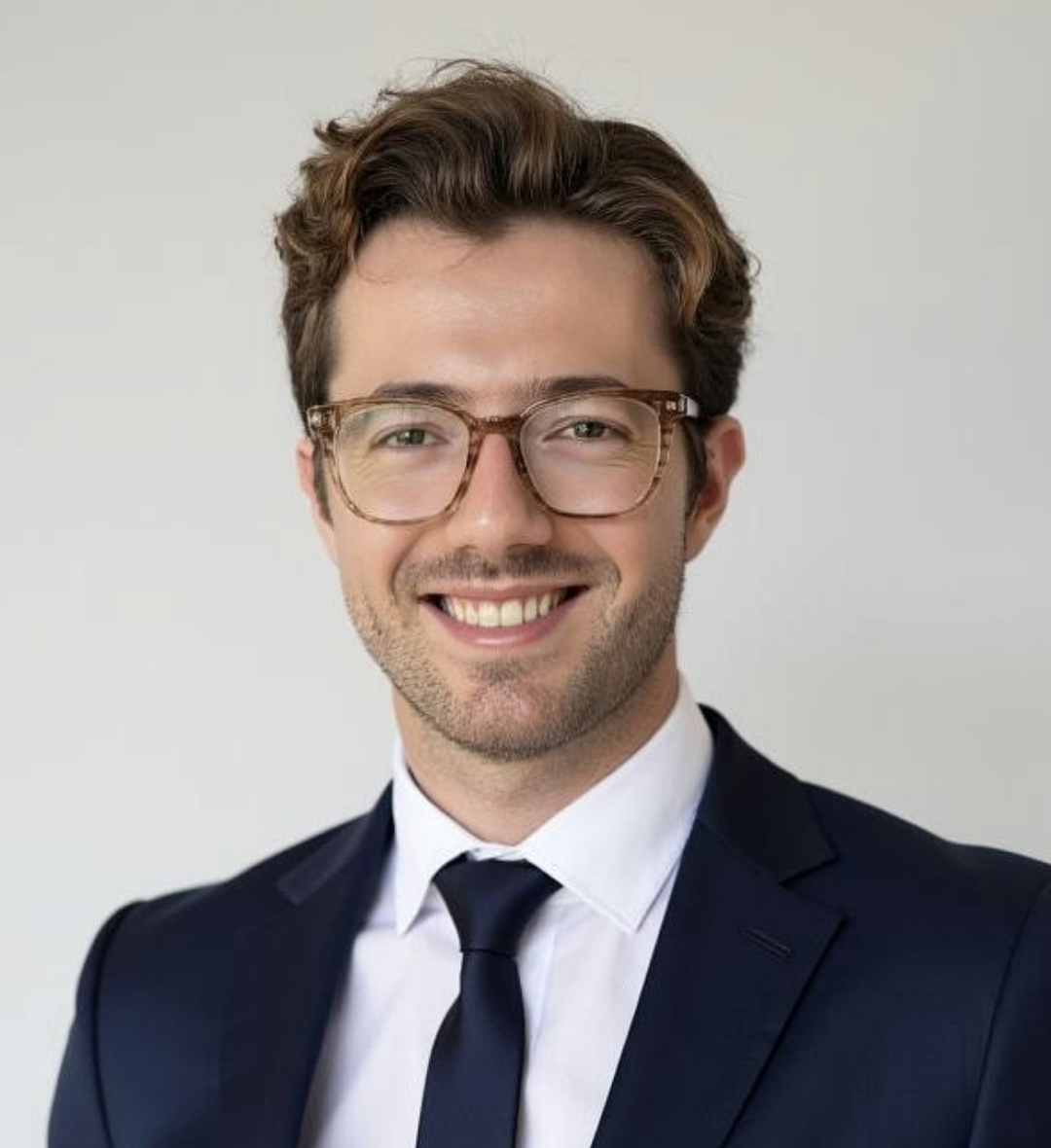 Sacha Warnod is working on AI's role in credit and risk decisions in financial services, where better models have a direct effect on
who gets access to capital.
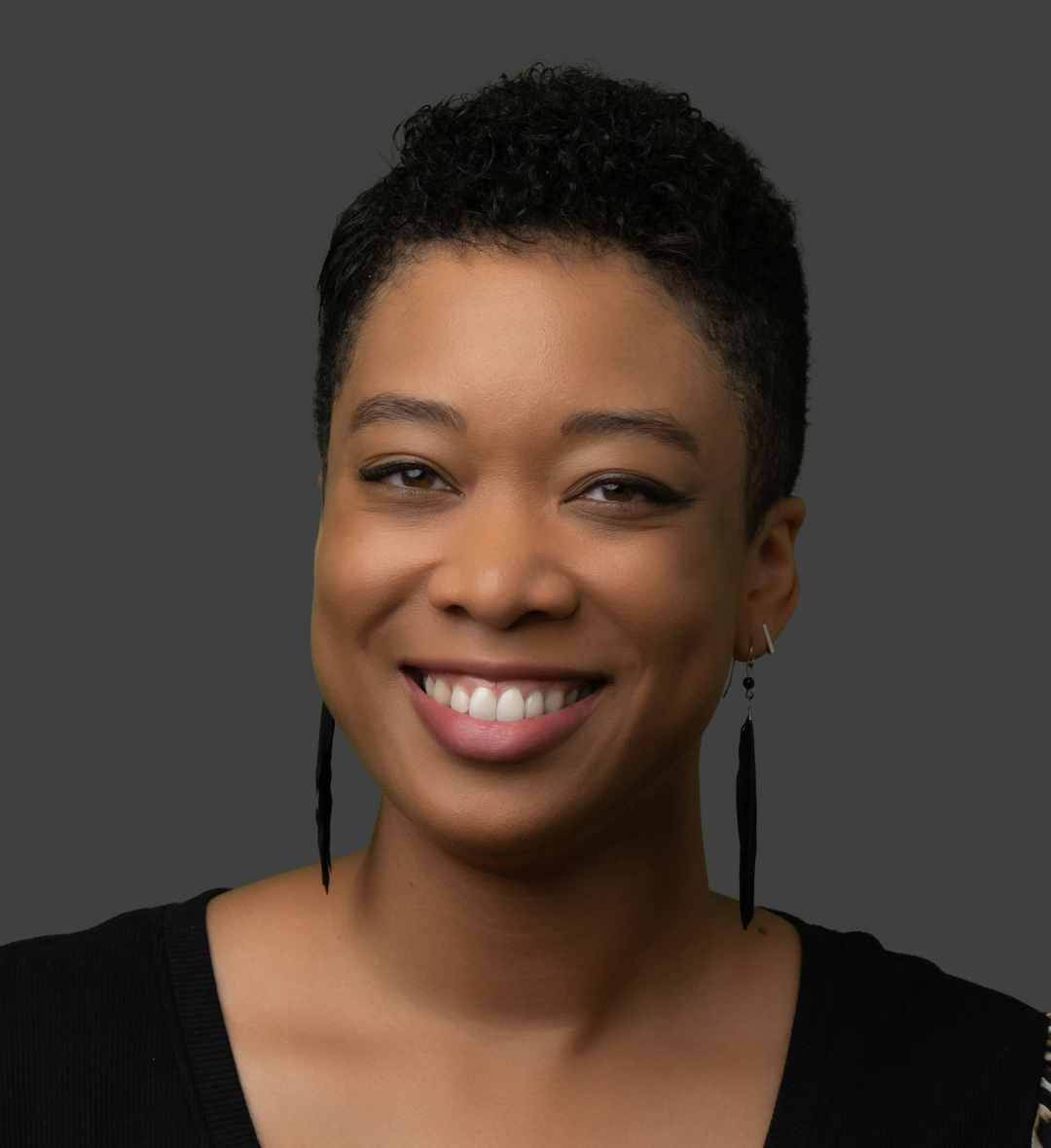 Marina Williams is invested in how AI is reshaping work across its full arc, from hiring and application processing to upskilling and retention. She's also committed to sustainable AI adoption and ethical education for both academic and broader community audiences.
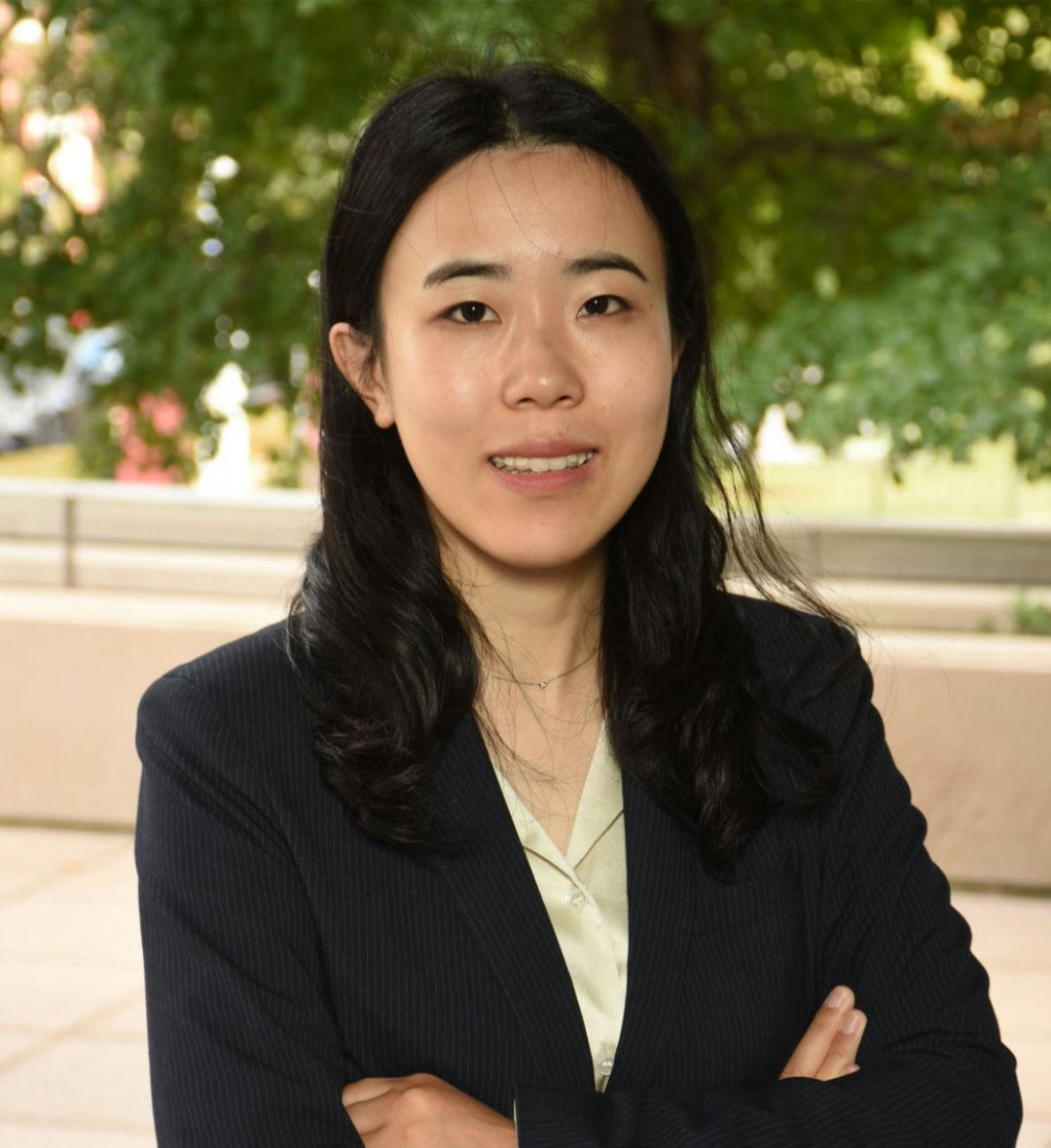 Weiyi Wu came to the question through practice. After using AI for deal screening, diligence, and portfolio monitoring during a private equity internship, she's focused on how it can sharpen decision-making and transform operations across business functions.
Thomas Kaupas, JD Kieffer, Yao Xen Tan, and Joe Wang are also part of this cohort. We look forward to sharing more about their work and interests soon.
Together, this cohort reflects what the CAAI Fellowship is becoming: a home for Booth students who arrive ready to ask complicated and pointed questions, and eager to collaborate with peers doing the same. Follow along this year to see how their fellowships take shape, or learn more about the AI Fellowship Program at Booth.