
This Problem Has a Name: Discrimination
It’s been a dozen years since Harvard’s Sendhil Mullainathan and I sent out nearly 5,000 fictitious resumes in response to help-wanted ads in Boston and Chicago.
This Problem Has a Name: Discrimination
What happens when resumes for two qualified candidates land on a hiring manager’s desk, but one has a white-sounding name at the top and the other person is perceived to be Black? The supposedly white candidates get significantly more interest, according to research by Chicago Booth’s Marianne Bertrand and Sendhil Mullainathan.
This may reflect overt racism. But even hiring managers who are personally committed to diversity can display implicit bias. Chicago Booth’s Jane L. Risen has demonstrated that people who would otherwise admit that racism is a societal problem might deny it when an implicit bias is triggered through brief exposure to certain information.
How do we root out implicit bias? Chicago Booth’s Devin G. Pope suggests shining a light on it could help. After NBA referees were shown their racial bias in foul calls, biased calls declined, suggesting that bias isn’t a fixed trait. But as Bertrand has noted, more research is needed on how to address discrimination effectively.
Discover these stories and much more at Chicago Booth Review.
It’s been a dozen years since Harvard’s Sendhil Mullainathan and I sent out nearly 5,000 fictitious resumes in response to help-wanted ads in Boston and Chicago.
This Problem Has a Name: Discrimination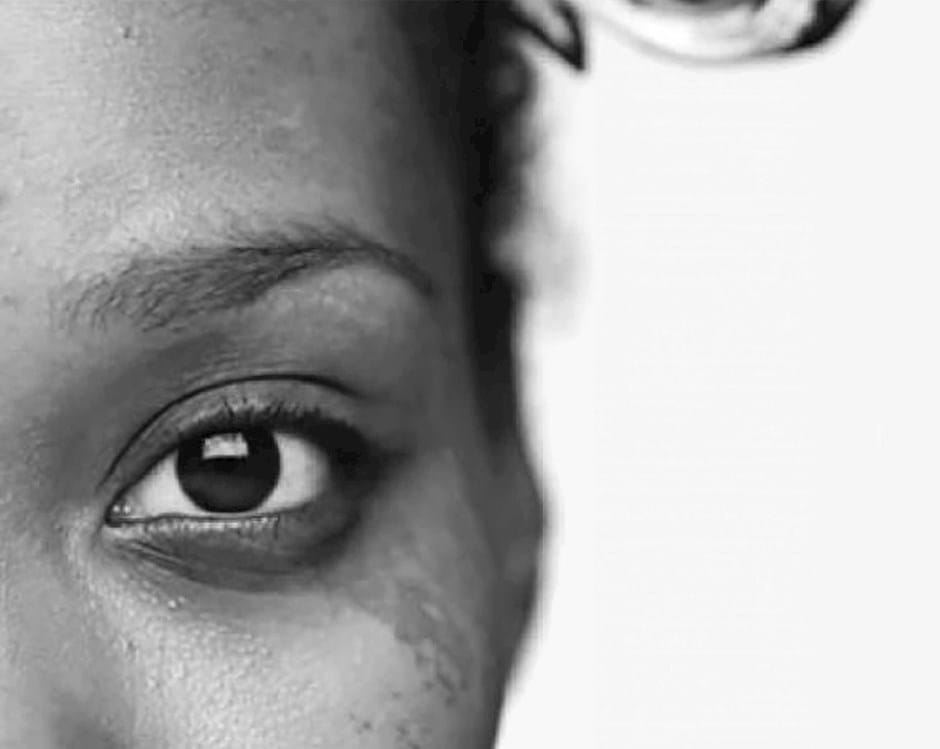
While overt racism may be on the wane in the US, research suggests it remains just below the surface.
Think You’re Not Racist?
Combining practitioner insights with evidence from research can help identify effective and accessible solutions.
What Research Reveals About Gender and Racial DiscriminationThrough their data-driven insights, our researchers are tackling some of the world's biggest global issues. Explore more research from Booth.

Booth researchers are investigating how cultural norms and expectations affect women’s progress.
Why Is the Glass Ceiling So Tough to Crack?
Booth researchers are exploring what should drive corporate decisions in the twenty-first century.
Should Companies Focus on Profits?
Booth researchers are exploring how less text-based messaging and more talking could improve communication.
Should We Text Less and Talk More?The Chicago Approach to business education—Booth’s educational philosophy—will teach you how to turn any business challenge, no matter how small or large, into an opportunity. Learn how our transformative curriculum helps our students to ask better questions and discover better answers. No matter which MBA program you pursue—Full-Time, Part-Time, Executive MBA—you get the same transformative academic experience, the same world-class faculty, the same influential network, the same dynamic community.

Find out how our educational approach will prepare you to think for yourself, challenge the status quo, and ground discoveries in data.
Discover Academic Life at Booth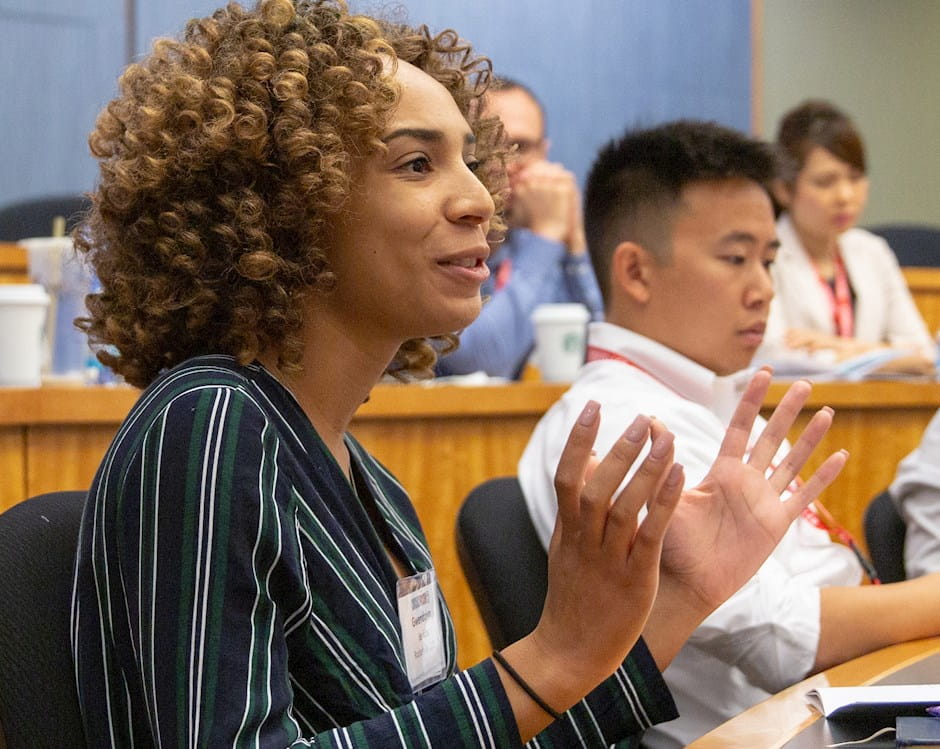
Our MBA curriculum gives you the skills to transcend trends and solve any business problem. Here’s how.
Master the Fundamentals of Business
The Full-Time MBA Program provides you with freedom: academic freedom, freedom to take risks, and freedom to define your impact in the world.
Full-Time MBA Program
Our Evening and Weekend MBA Programs help working professionals advance their careers without stepping away from them.
Part-Time MBA Programs
To gain a global perspective, you need an MBA from a global school. Earn an MBA from Booth in Chicago, London, or Hong Kong without interrupting your career.
Sokolov Executive MBA Program

Recruit the world’s top MBA students, support academic research, sponsor an event, and more. Our corporate partners have many opportunities to engage with Booth.
Recruit Chicago Booth Talent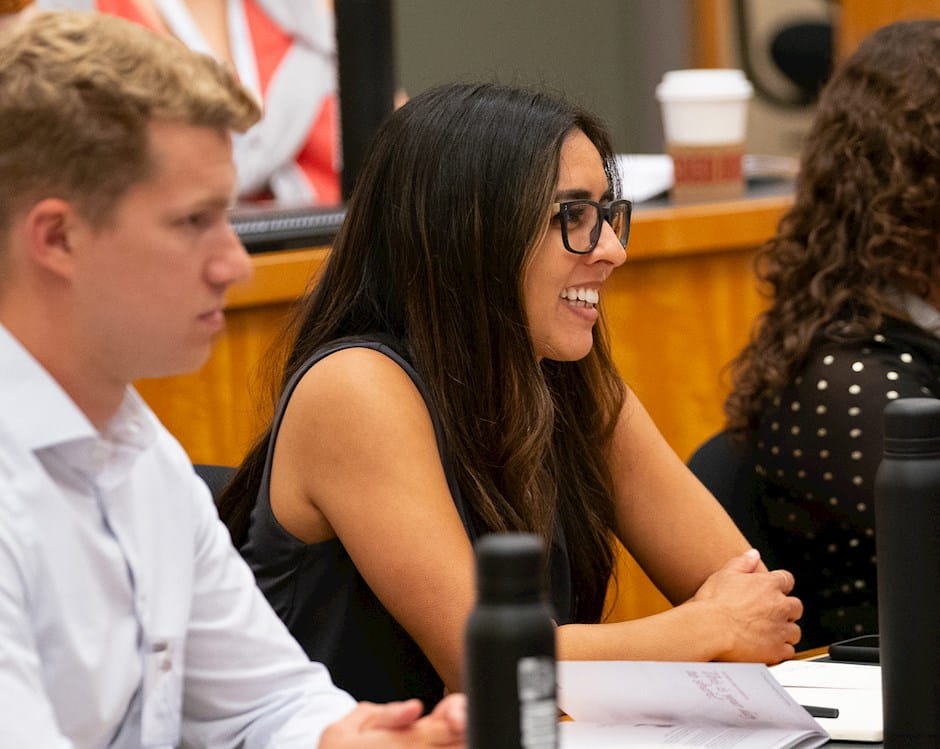
Choose from nearly 50 open-enrollment programs worldwide, or create a custom program tailored to meet your organization’s unique challenges.
Executive Education
Most business schools are located in a city. Booth is built into one of the world's greatest.
Booth in North America
The only American business school with a campus in London, and everything that presence makes possible for your career.
Chicago Booth in Europe
Hong Kong is where some of the world's most consequential business decisions are made. Booth puts you at the center of it.
Chicago Booth in Asia