
CBR@10
We celebrate a decade of delivering research-driven insights on business, policy, and markets.
In June 2016, we published the inaugural issue of Chicago Booth Review.
Our new magazine was both a continuation and a pivot. It continued Chicago Booth’s decades-long efforts to spread the findings of academic research beyond the ivory tower, but it reflected a newly redoubled focus to convey those findings in a way that made them as clear, accessible, and useful as possible.
Our approach used bold visuals, dramatic data visualization, and world-class business journalism—a combination that has proved effective. Forty issues on, we have reached millions of readers around the globe, sharing the insights of countless researchers on subjects as varied as factor-based investing, personalized medicine, and gun control. We have also produced scores of videos and launched a weekly podcast, all following the same philosophy. And along the way, we have won or been nominated for numerous awards.
We hope you agree that our 10th birthday is a perfect opportunity to roll back the tape and revisit some of the content our audience has most enjoyed listening to, reading, and watching in the past decade.
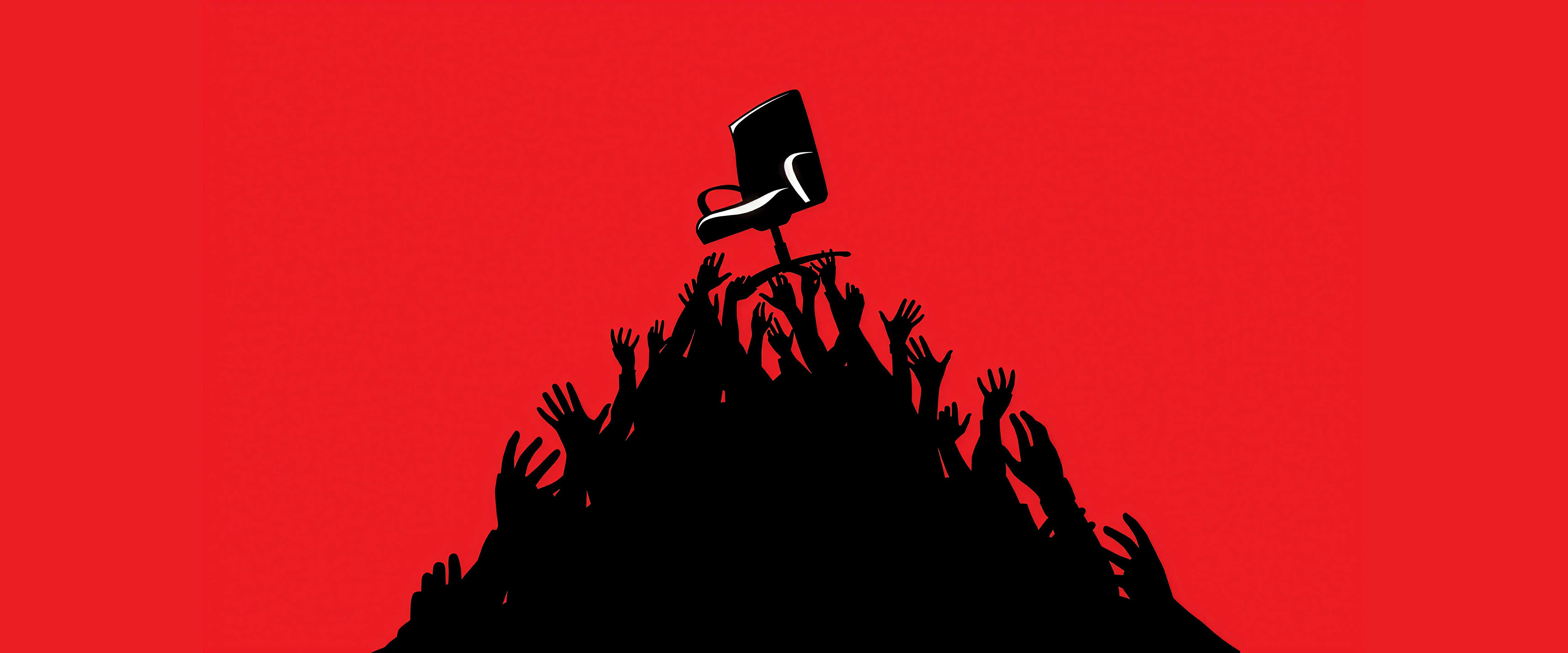
Who Gets Into the C-Suite?

A look at who ends up at the top of the corporate pyramid—and why.
Focusing on research by Chicago Booth’s Steve Kaplan, our first cover story looked at the traits that best predict which executives would make it to the corner office and help them succeed.
Read More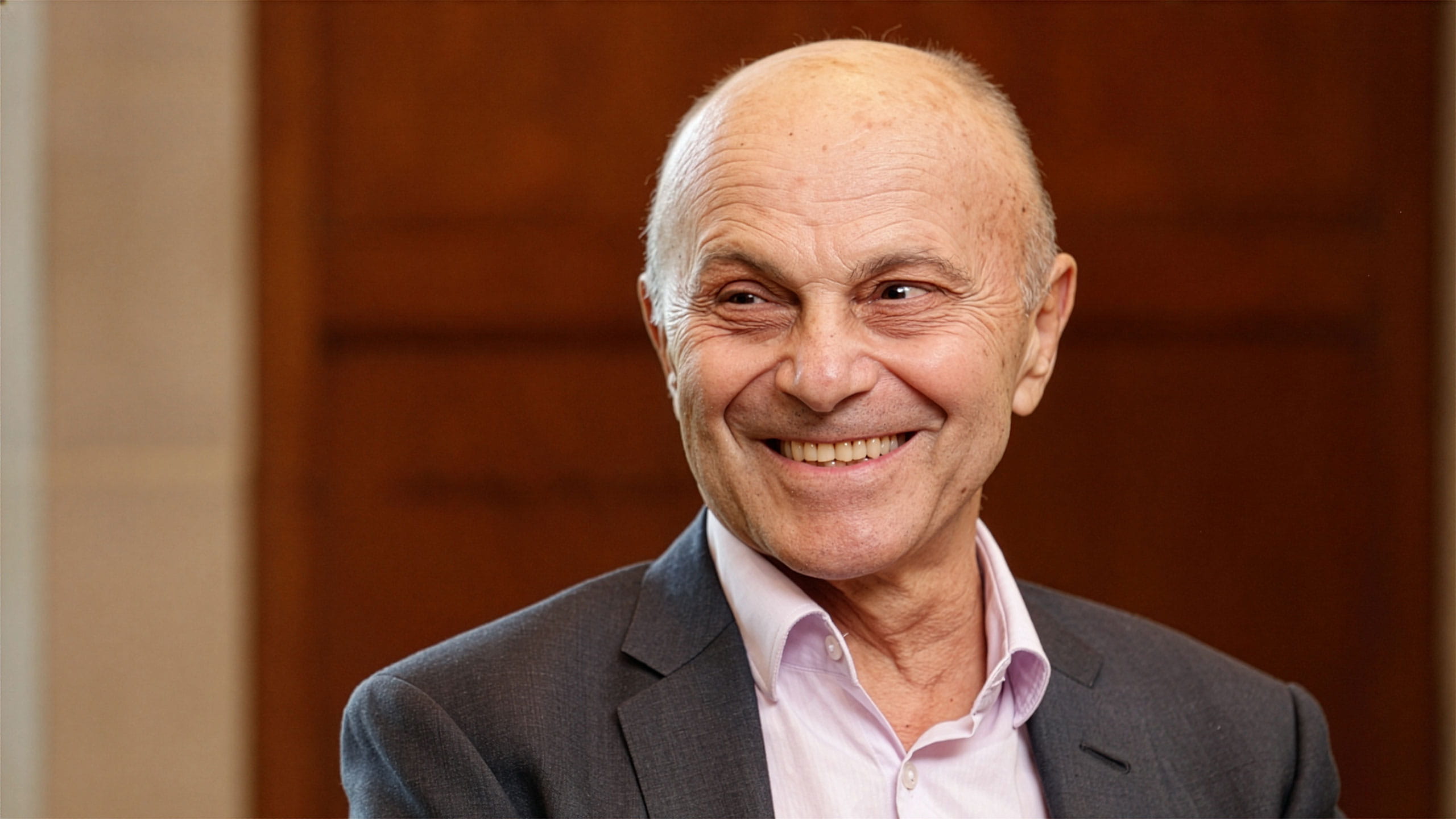
Are Markets Efficient?
Two Nobel laureates debate the nature of financial markets.
In a blockbuster episode of our The Big Question video panel discussion series, CBR editor-in-chief Hal Weitzman sat down with Eugene F. Fama, the “father of modern finance” and a 2013 recipient of the Nobel Prize in Economics, and Richard H. Thaler, who helped create behavioral economics and would go on to receive the 2017 Nobel.
Watch Now

Video Killed the Radio Star
How technology has changed the value of leisure time.
Why are young men working less, living with their families longer, and getting married later? In this essay, adapted from his June 2016 commencement speech, Booth’s Erik Hurst suggested one explanation: better video games.
Read MoreNever Mind the 1 Percent. Let’s Talk About the 0.01 Percent
Our exploration of the fractal-like nature of wealth inequality.
Our most-read article of all time was the Winter 2017 cover story. The feature drew on the research of Booth’s Eric Zwick and other experts to look at who comprises the richest of the rich, how they got so wealthy, and how their wealth and income growth are outpacing even their fellow one-percenters.
Read More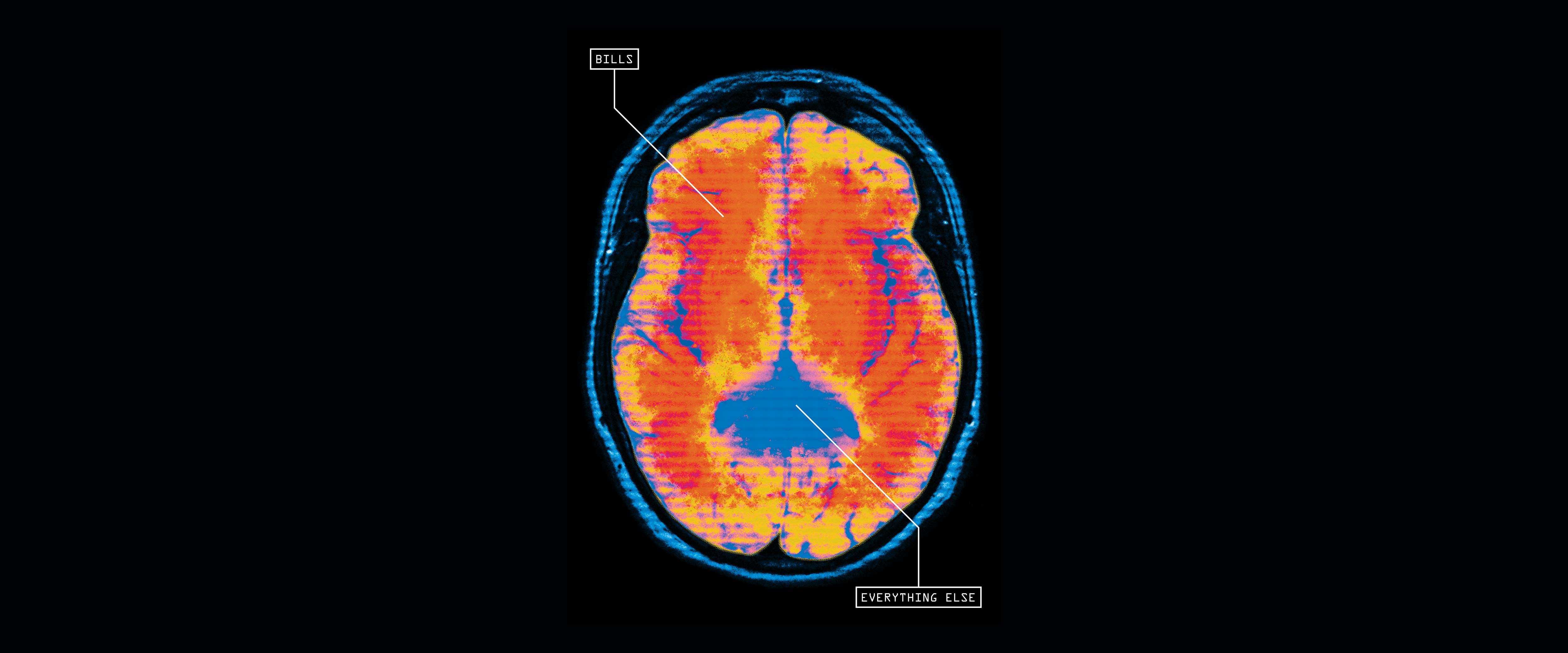
How Poverty Changes Your Mind-Set
Do bad decisions lead to poverty—or is it the reverse?
With political squabbles over the social safety net perpetually in the background, we looked at the research on the cognitive impact of living in poverty. Examining findings from across the world, frequent CBR contributor Alice G. Walton explained the varied and sometimes surprising ways that being poor affects decision-making.
Read More
In Praise of ‘Messy Economics’
Why concern for equality can also be a matter of efficiency.
In one of our all-time most-read faculty essays, Booth’s Marianne Bertrand dispelled the notion that economists shouldn’t concern themselves with “distributional” questions. Looking at her own research on gender disparities in the labor market, she explained how addressing inequality can lead to economic growth.
Read More

Are We Really More Productive Working from Home?
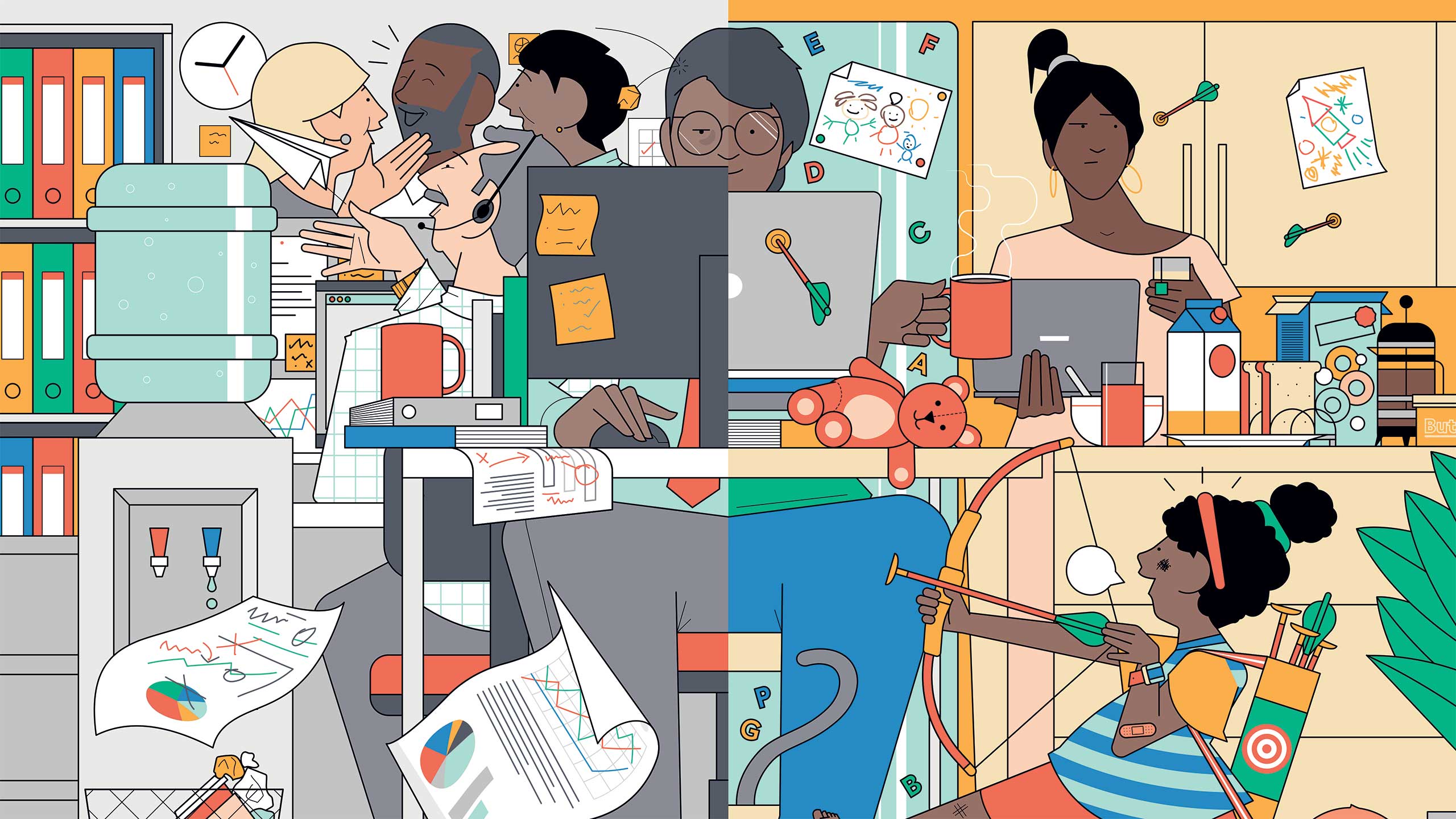
An early look at the economic effects of widespread remote work.
In the cover story to our Fall 2021 issue, we looked at how the COVID-induced spread of WFH culture was affecting how much people got done in a day—and what that meant for companies and executives trying to make plans for a new, very different office landscape.
Read More
A.I. Is Going to Disrupt the Labor Market. It Doesn’t Have to Destroy It.
Will data, foresight, and experience save us from widespread unemployment?
Published almost exactly one year after the public release of ChatGPT, this feature sought to address growing concerns about a tech-driven job-market meltdown. Drawing on the research of Booth’s Anders Humlum and other scholars, we looked at how policymakers, executives, and educators could encourage the best outcomes for an AI-saturated future.
Read More

The Economy Has Been Great Under Biden. That’s Why Trump Won.
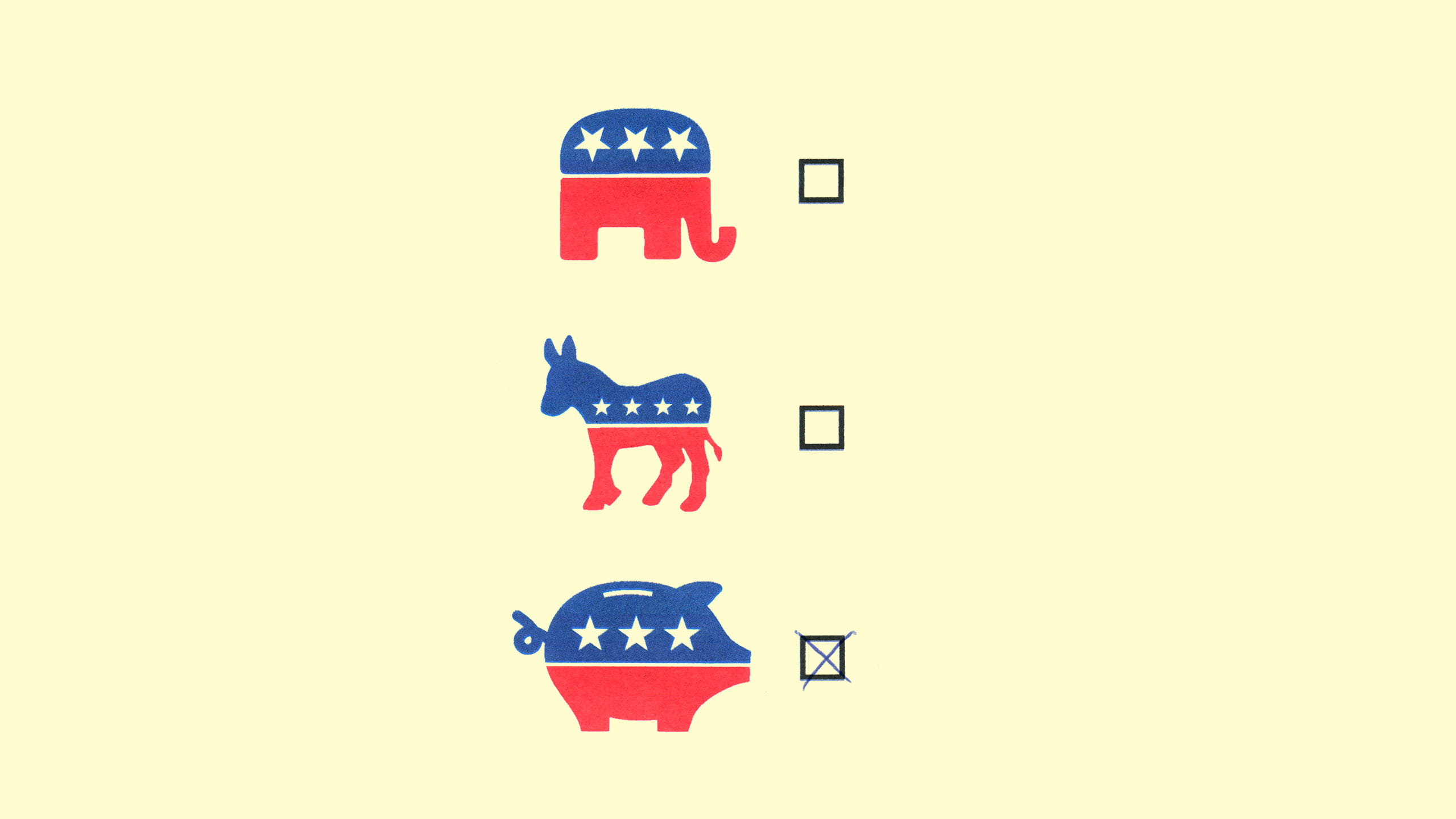
A new understanding of how economics drives politics.
When US voters rejected the White House incumbent amid strong macroeconomic conditions, Booth’s Lubos Pastor and Pietro Veronesi were ready to explain why: It was voters’ risk tolerance, not confusion, that drove President Donald Trump’s victory.
Read More
The Data on Sex, Marriage, and Happiness
Quantifying the contentment of marital bliss.
In the Chicago Booth Review Podcast’s most-downloaded episode, Booth’s Sam Peltzman explained what decades of data reveal about the “marital premium.”
Listen Now
Your Privacy
We want to demonstrate our commitment to your privacy. Please review Chicago Booth's privacy notice, which provides information explaining how and why we collect particular information when you visit our website.