You'll have the chance to explore activities outside the classroom in numerous ways that will also allow you to build new skills, relationships, and networks. These include:
- Booth India Club - Booth India Club (BIC) is a student organization targeted to cater to the needs of Evening MBA and Weekend MBA students at the University of Chicago Booth School of Business who have personal or professional interest in exploring business and career opportunities in India and other Asian economies. This group provides a forum for students to develop their strategic and leadership skills. This group also facilitates networking with alumni, faculty, and other industry leaders in order to exchange valuable ideas and information pertaining to corporate trends and opportunities in India.
- China Business and Economy Group - The China Business and Economy Group (CBEG) is designed to provide a platform for the Booth community to explore the unique issues of doing business in China. The group's aim is to understand the dynamic economy and opportunities/risks in China. Issues to be explored include investment, finance, business development strategy, marketing, business regulations, and policies across a wide range of industries in China. The uniqueness of CBEG's service to its members and the Booth community is its information center that is hoped to become the online China business directory.
- Myron Scholes Global Markets Forum - The Myron Scholes Global Markets Forum brings business leaders, policy makers, and distinguished academics together to address the Chicago community on topics of current interest.
- Latin America Business Conference - This student-organized conference encourages cutting-edge discussions about the Latin American region.
You’ll have the option of taking courses that address your individual career choices. Samples include:
- Understanding Central Banks - This course brings together topics in macroeconomics, international economics, and finance to look at central banks, which are often dominant players in financial markets and provide a framework for understanding their actions. You will gain an overview of the key issues that confront all central banks. Then you will spend time seeing how the Federal Reserve, the Bank of Japan, and the European Central Bank resolve these issues. We contrast their approaches with those taken by central banks in other industrialized countries and in developing countries. We also study how central banks' actions interact with asset markets. There will be two guest speakers who are prominent members of the world's central banking community.
- International Financial Policy - You will develop an understanding of issues in international macroeconomics that are important for managers operating in the global marketplace. The course covers theories of the determination of exchange rates and interest rates, the management of foreign exchange risk, international capital flows, debt and currency crises, international monetary and exchange rate regimes, the roles of the international financial institutions in developing countries, and other characteristics of international financial markets.
- Managing the Firm in the Global Economy - This course will study international economics from the perspective of the firm. The objective is to become familiar with organizational, financial, and legal issues that firms face in foreign markets. To this end, we will analyze conceptual frameworks that guide firms’ decision to expand globally through exporting, investing, or forming alliances. We will address questions such as: how do firms decide to export and where to export? What is the rationale behind the common organizational forms (joint ventures with local partners vs. wholly-owned foreign subsidiaries) we see in foreign operations? What factors determine the location choice for investing abroad? We will also investigate, in depth, some of the key issues multinational firms face: intellectual property rights in foreign markets, financial and operational hedging techniques to manage exchange rate risk, international tax planning, political risk and corruption in international business. Part of the course will be devoted to the analysis of the business environment and management practices in developing countries.
- The Wealth of Nations - Why is the United States the wealthiest country in the world? How can we understand the emergence of China and India in the last two decades? What explains growth disasters of countries such as Venezuela and sub-Saharan Africa? Why has Brazil not emerged as a growth miracle despite its enormous potential? We will develop an analytical framework to examine the role of financial markets, labor market regulations, tax policy, and trade policy in understanding a country's growth experience.
You’ll study with professors who conduct groundbreaking research, consult with governmental agencies and companies around the world, and share their experience with how financial policy impacts the domestic and global business environment.
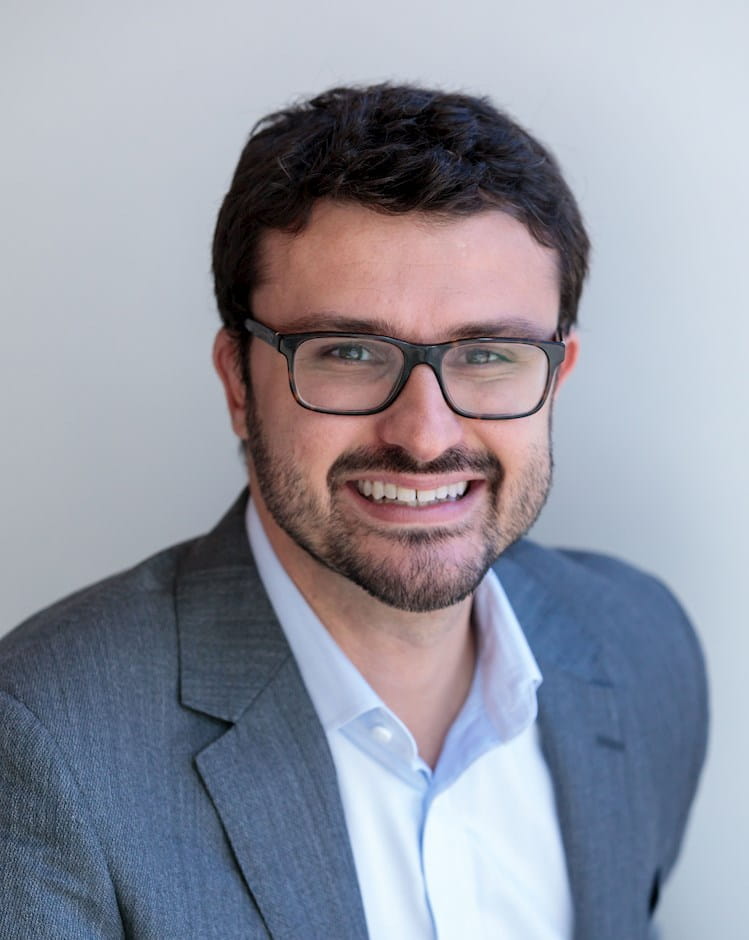
Chang-Tai Hsieh, conducts research on growth and development. He has been a visiting scholar at the Federal Reserve Banks of San Francisco, New York, and Minneapolis, as well as the World Bank's Development Economics Group and the Economic Planning Agency in Japan.
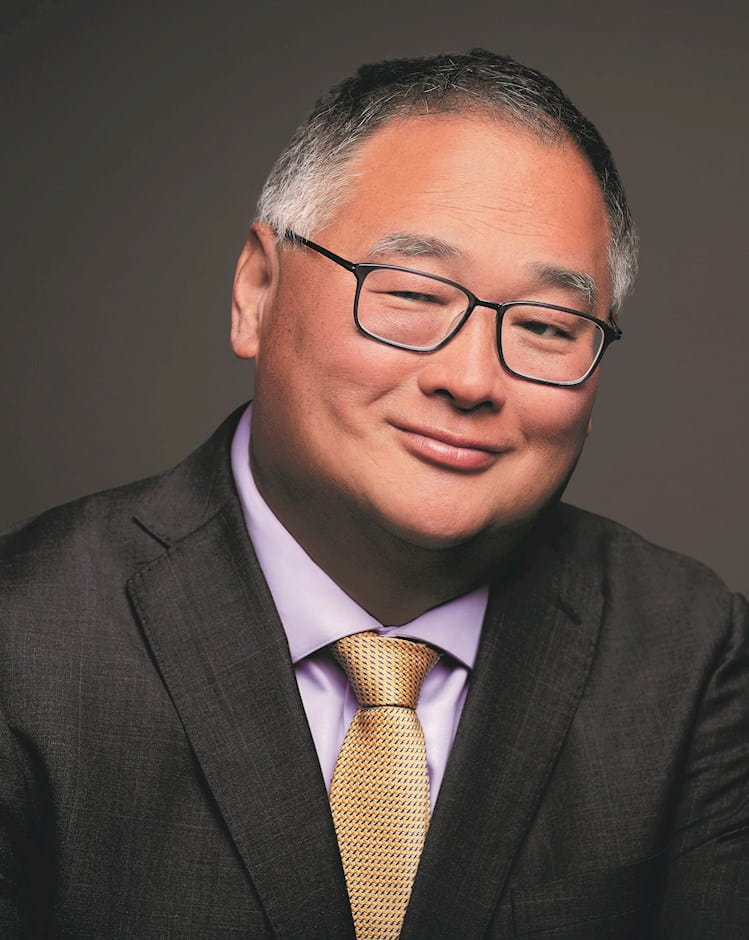
John Huizinga, conducts empirical studies in macroeconomics and finance, both domestic and international, and also studies econometric theory. His research has appeared in numerous journals, including Econometrica, the Journal of Econometrics, and the Journal of Monetary Economics.
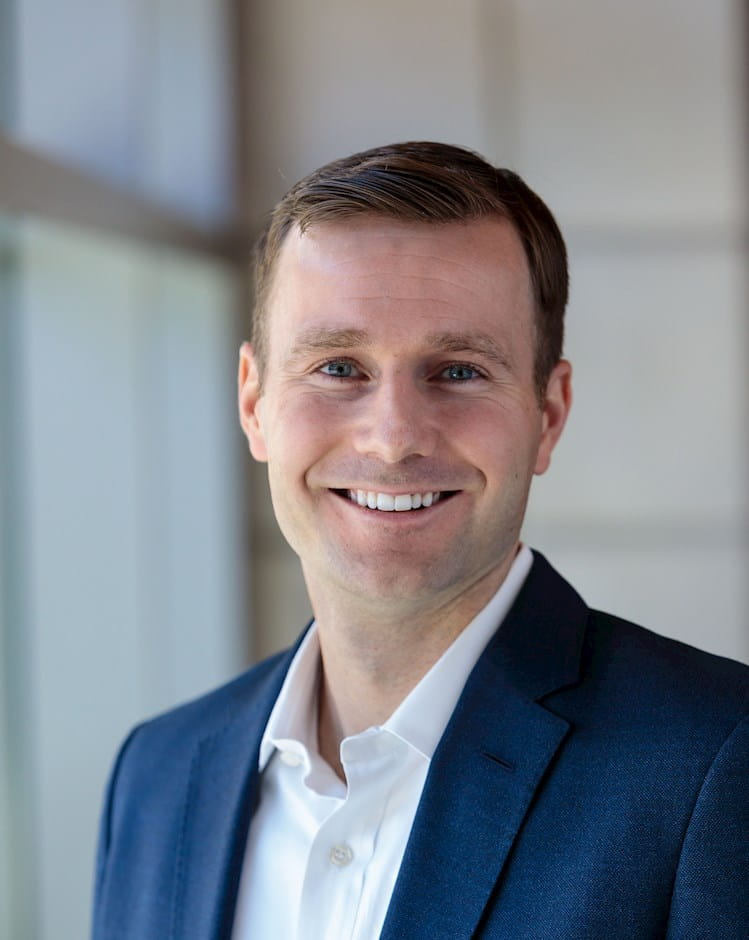
Erik Hurst, studies macroeconomic policy, consumption, time use, entrepreneurship, and household financial behavior. His research on "Measuring Trends in Leisure", which appeared in the Quarterly Journal of Economics, in 2007, was written up in the New York Times, the Washington Post, and the Economist.
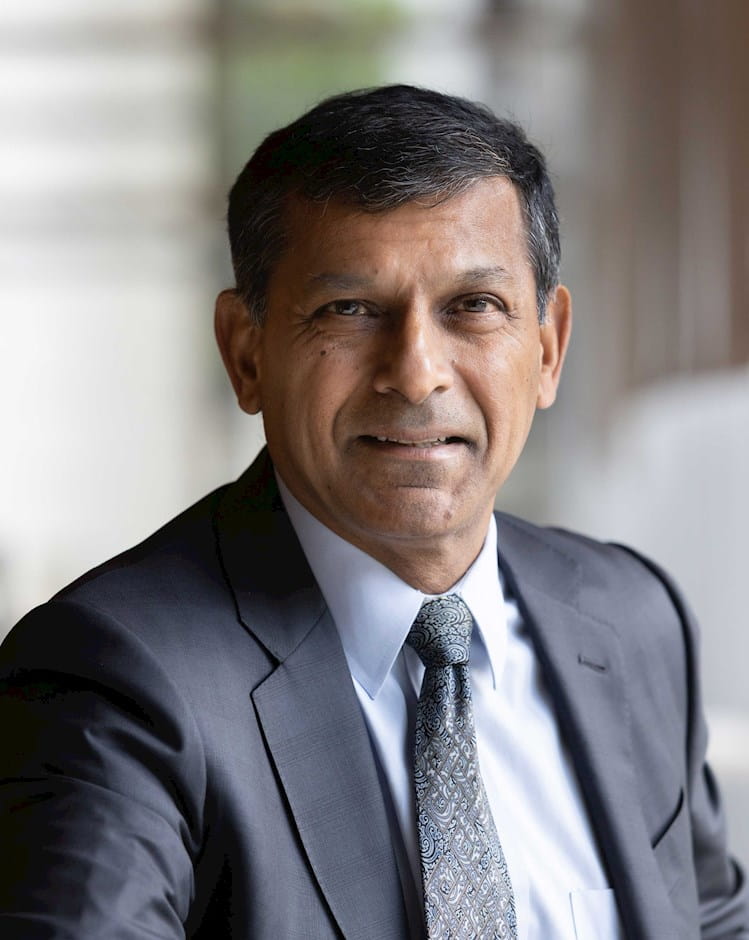
Randall S. Kroszner, was a member of the Board of Governors of the Federal Reserve Board. From 2001 to 2003, he was a member of the President's Council of Economic Advisers. He also has served the federal government as a visiting scholar at the Board of Governors, a research consultant and a member of the Academic Advisory Panel at the Federal Reserve Bank of Chicago, and a visiting scholar at several other Federal Reserve Banks. He specializes in conflicts of interest in financial services firms, international financial crises, corporate governance, debt restructuring and bankruptcy, and monetary economics.