Evening MBA

Finance

The management of financial assets is important in all businesses. Finance describes how businesses raise the capital they need to start and sustain themselves; decide which projects make financial sense; manage risks; and investigates how people invest in companies; how financial markets work; and how an economy allocates money to where it will have the most value.

In Chicago Booth's legendary finance curriculum, covering both corporate finance and investments, you will learn to evaluate risk and reward through an empirical lens. Our corporate finance offerings will prepare you at the business level: Should a company buy or build? Should they borrow money or issue stock? How should they compensate executives? Should they hedge costs, and if so, how? Investment courses prepare you to make decisions in financial markets: What determines stock and bond prices? How do you evaluate a fund manager? What financial risks carry big rewards, and how should an investor allocate his or her portfolio to take advantage of them? Through our culture of questioning and debate, you'll acquire a healthy skepticism that prompts you to look at each solution and probe for better explanations.


You'll have the chance to explore activities outside the classroom in numerous ways that will also allow you to build new skills, relationships, and networks. These include:

  • The Investment Banking Group - The largest student group on campus, the Investment Banking Group serves as a link between Investment Banks, Chicago Booth students, and Career Services. Their goal is to equip members with knowledge of the investment banking industry and aid in guiding them to a career in their area of interest. It is our mission to educate the industry about the specific strengths of Chicago Booth students and the Chicago Booth curriculum. Throughout the year, we hold various events to help educate students about investment banking and navigate the recruiting process.
  • Chicago Booth Banking Club - The mission of the Chicago Booth Banking Club (CBBC) is to further educational, networking, and professional development opportunities in an effort to promote careers in investment banking to its members. The CBBC’s goals are to help its members make informed decisions about whether a career in investment banking is right for them and to provide support should they choose to pursue such a career. While the CBBC is open to all members of the Chicago Booth community, including students and alumni of the Full-Time MBA and Executive MBA programs, it primarily serves the needs of the Evening MBA and Weekend MBA programs.
  • Chicago Booth Finance Club - Our mission is to enhance Chicago Booth Evening MBA and Weekend MBA students' understanding of the financial industry, provide an environment for these students to share experiences with others interested in or working in finance-related fields, and identify career growth enhancers in finance for these individuals.
  • Investment Management Group (weIMG) - WeIMG provides students with opportunities to gain exposure to and delve deeper into the richness of the investment management field.

You’ll have the option of taking courses that address your individual career choices. Samples include:

  • Entrepreneurial Finance and Private Equity - The primary objective of the course is to provide an understanding of the concepts and institutions involved in entrepreneurial finance and private equity markets. We will explore private equity from a number of perspectives, beginning with the entrepreneur/issuer, moving to the private equity - venture capital and leveraged buyout - partnerships, and finishing with investors in private equity partnerships.
  • Portfolio Management - This quantitative course presents advanced material relevant for portfolio managers, extending the material covered in Investments. Topics include the money management industry (mutual funds, pension funds, hedge funds), modern techniques for optimal portfolio selection, liquidity and transaction costs, properties of asset returns, and investment strategies designed to exploit apparent violations of market efficiency.
  • Advanced Investments - One central theme this course examines is that asset pricing has undergone a sea of change in the last 20 years or so, with the realization that expected returns do vary across time, and across assets, in ways that the static CAPM and random-walk view does not recognize. The course will cover a range of topics, including how stock and bond returns can be predicted over time; understanding the volatility of stock and bond returns; multi-factor models for understanding the cross-sectional pattern of average returns, such as value, growth and momentum effects; the size of the average market return and its relation to fundamental risks; optimal portfolios that reflect multifactor models, return predictability and hedging motives; advanced trading strategies used by trading desks and hedge funds; performance evaluation and benchmarks for funds; and liquidity effects and "bubbles" in stocks and bonds.
  • Cases in Corporate Control and Governance - This course combines law and corporate finance to understand how shareholders try to monitor what public corporations are doing and control what happens to their investment. This course covers ownership and governance from a capital markets perspective. It will be taught using cases from recent years that cover topics such as: takeovers; tender offers, fairness opinions, lockups, staggered boards and poison pills; shareholder activism and proxy contests; squeeze-outs, dual-class voting, and other control structures for closely-held corporations.
  • Topics in Asset Pricing - This PhD-level course covers topics in the area of dynamic asset pricing, including standard complete market models, incomplete markets, portfolio constraints and transaction costs, learning and uncertainty, asymmetric information, and other recent developments such as non-time additive preferences. The course will also cover selected topics in the area of derivative pricing and term structure models.

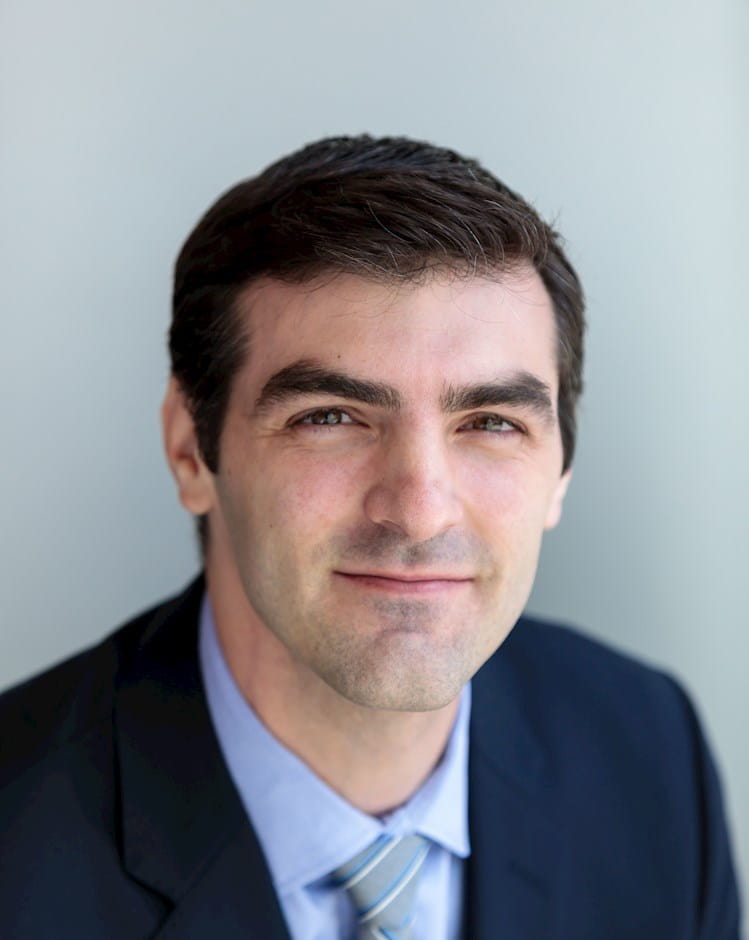
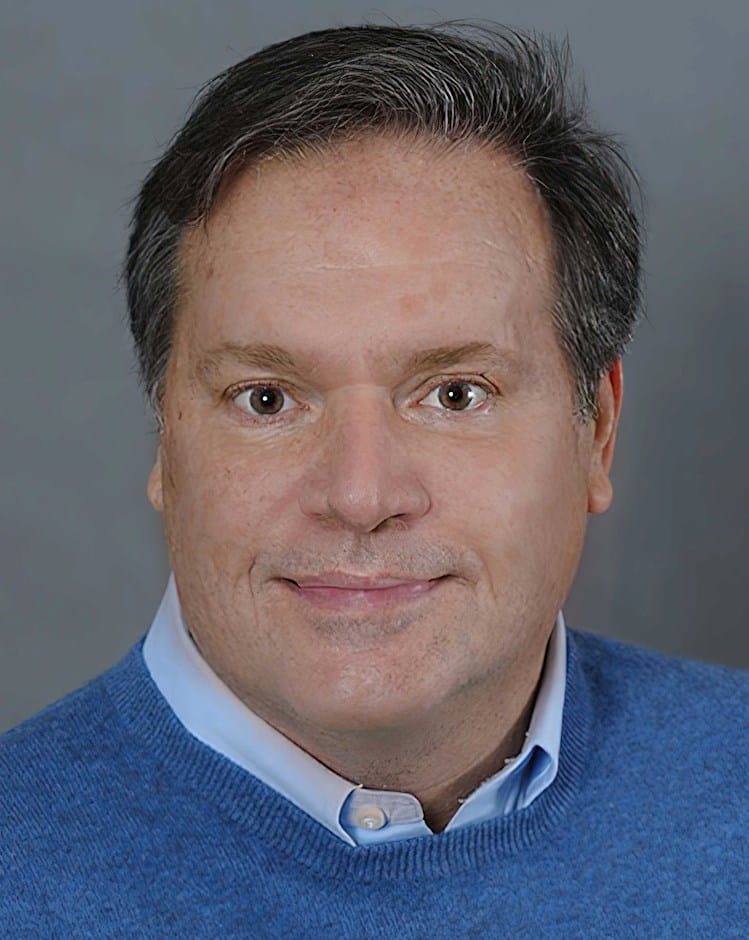
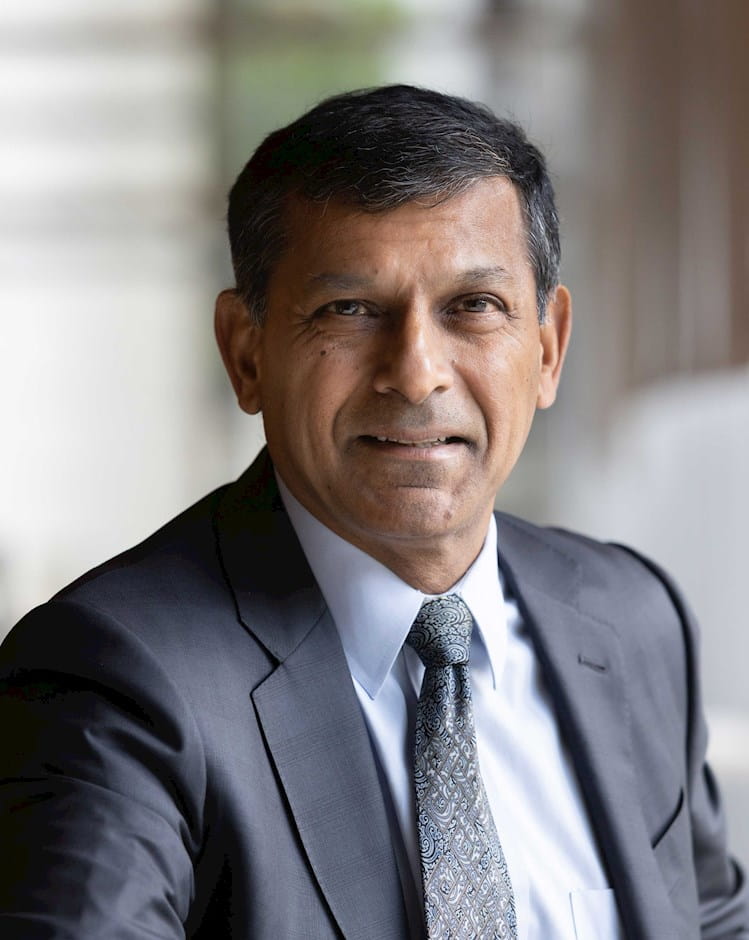
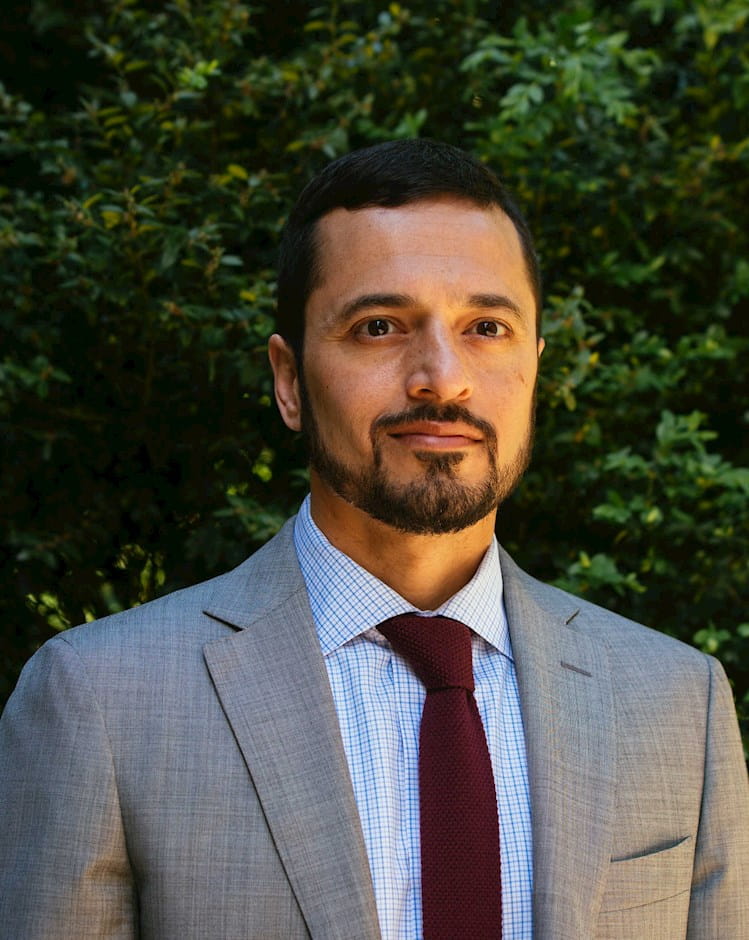
You’ll learn about the forces shaping capital markets around the globe from professors who conduct groundbreaking research, have sat on the Board of Governors of the Federal Reserve, and advised the president and heads of state.

  • John H. CochraneJohn H. Cochrane, is a research associate and past director of the asset pricing program  of the National Bureau of Economic Research and a Fellow of the Econometric Society. His  recent publications include the book, Asset Pricing, and numerous articles on his research  topics.
  • Douglas W. DiamondDouglas W. Diamond, specializes in the study of financial intermediaries, financial crises, and liquidity. His work has appeared in such notable journals as the Journal of Financial Economics, the Journal of Finance, the Review of Economic Studies, the American Economic Review, and the Journal of Political Economy.
  • Eugene F. FamaEugene F. Fama, is widely recognized as the "father of modern finance." Fama is among the most-cited of America's researchers. He focuses much of his study on the relation between risk, and return and implications for portfolio management.
  • Zhiguo HeZhiguo He, is primarily interested in agency frictions in corporate finance and asset pricing, with a special focus on contract theory. In 2007, he won the Lehman Brothers Fellowship for Research Excellence in Finance, which is an annual competition of doctoral theses from top business schools.
  • Tobias J. MoskowitzTobias J. Moskowitz, was recognized by the American Finance Association with its 2007 Fischer Black Prize, which honors the top finance scholar under the age of 40. The award cited his "ingenious and careful use of newly-available data to address fundamental questions in finance."
  • Raghuram G. RajanRaghuram G. Rajan, served as Chief Economist at the International Monetary Fund between 2003 and 2006. He is the author, along with fellow faculty member Luigi Zingales, of the book, Saving Capitalism from the Capitalists. He received the inaugural Fischer Black Prize in 2003.
  • Kevin Francis RockKevin Francis Rock, studies privatizations, joint ventures, and the mergers and acquisitions of banks and insurance companies in the developing world and emerging markets. Rock's research includes "Why New Issues Are Underpriced" in the Journal of Financial Economics and "The Transactions Process and Rational Stock Price Dynamics" with Terry A. Marsh.

Select a Concentration